
Compression Guide
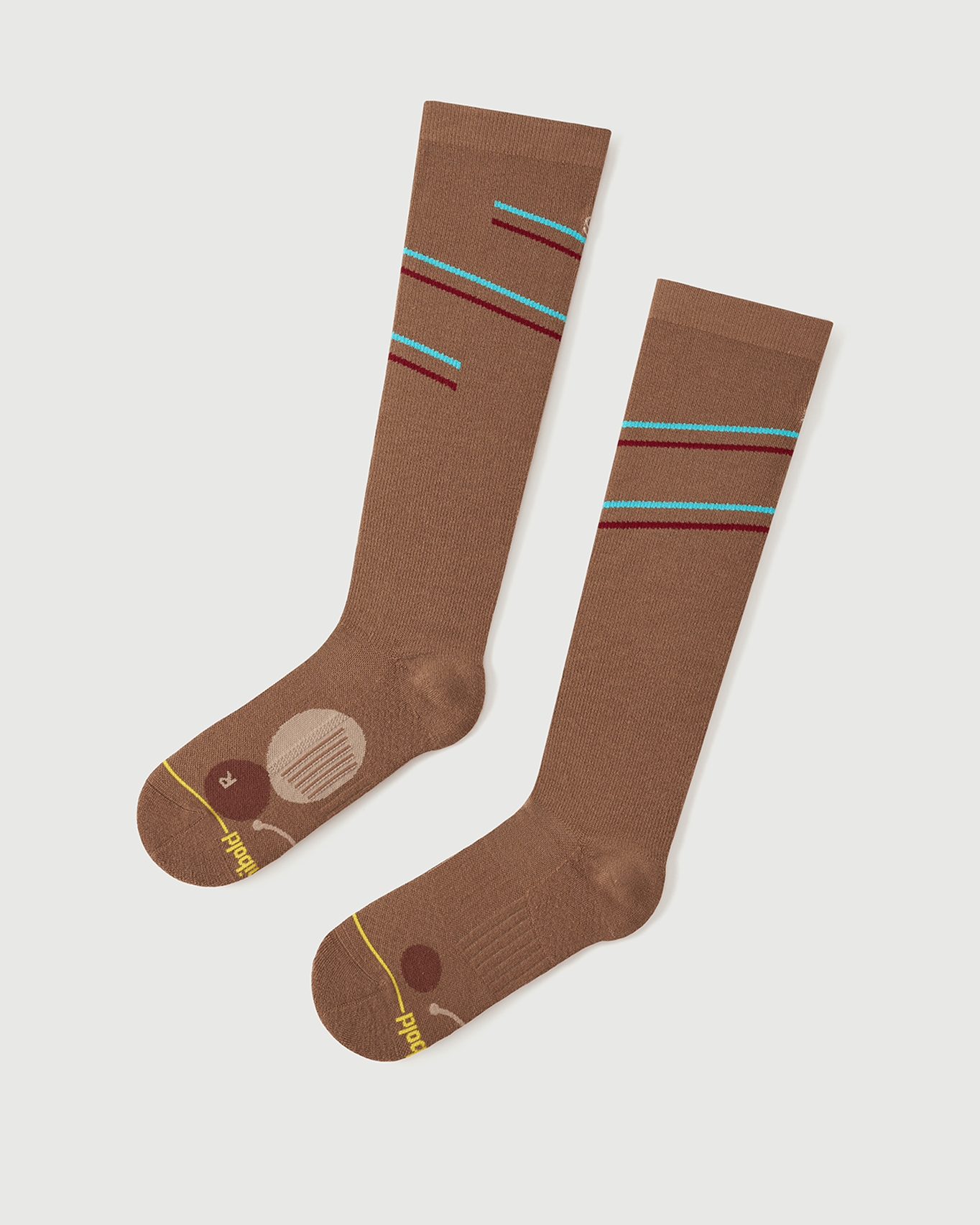
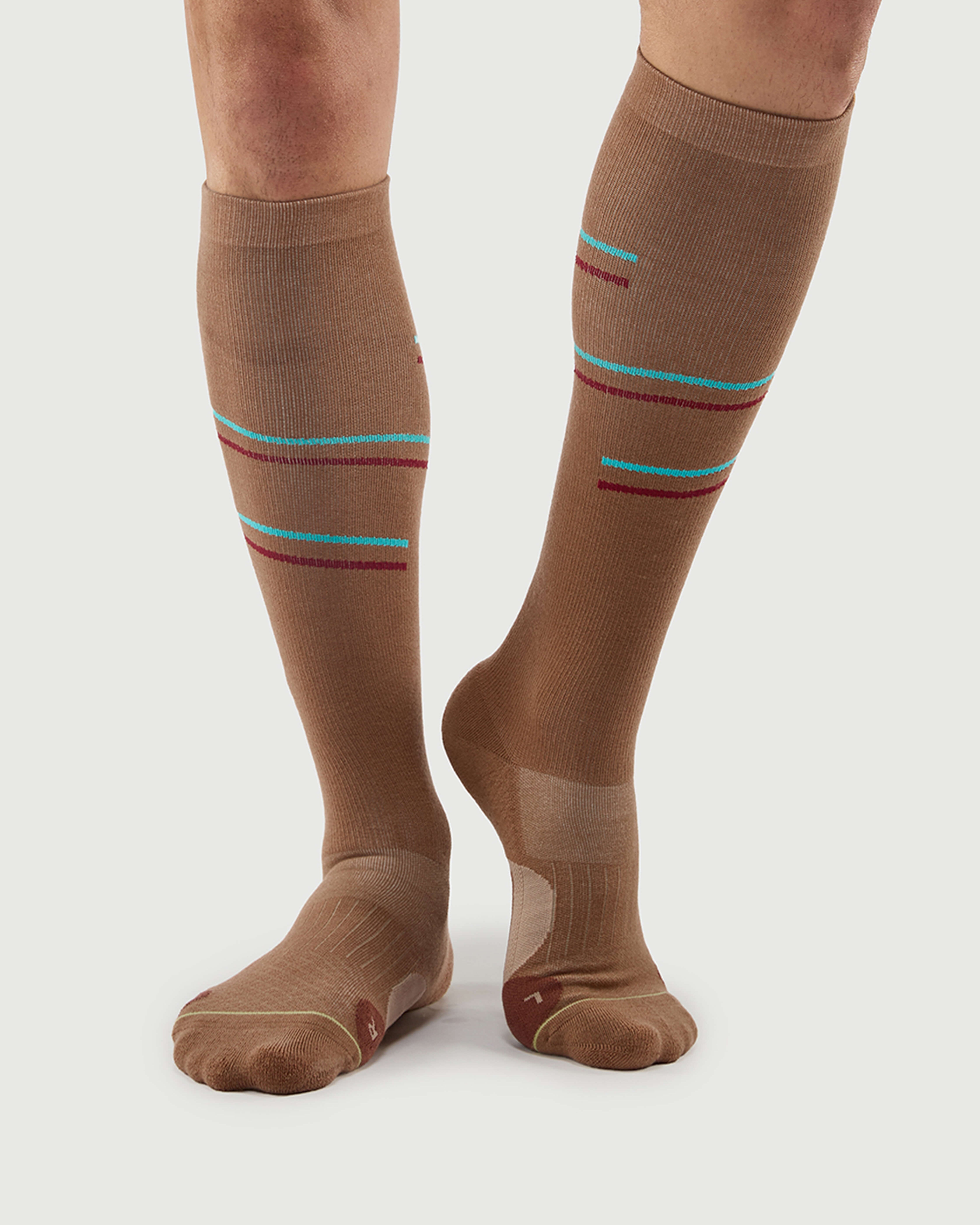
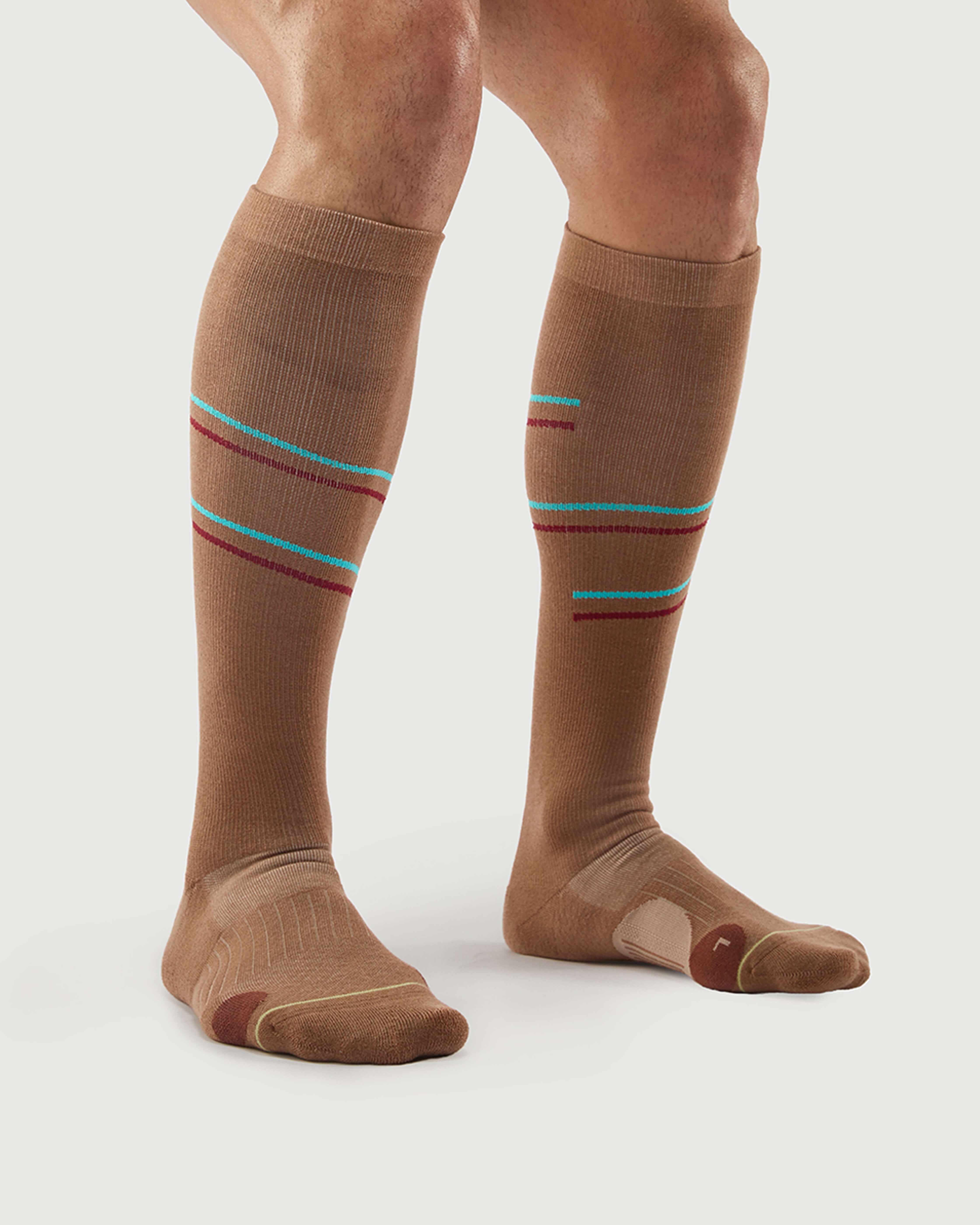
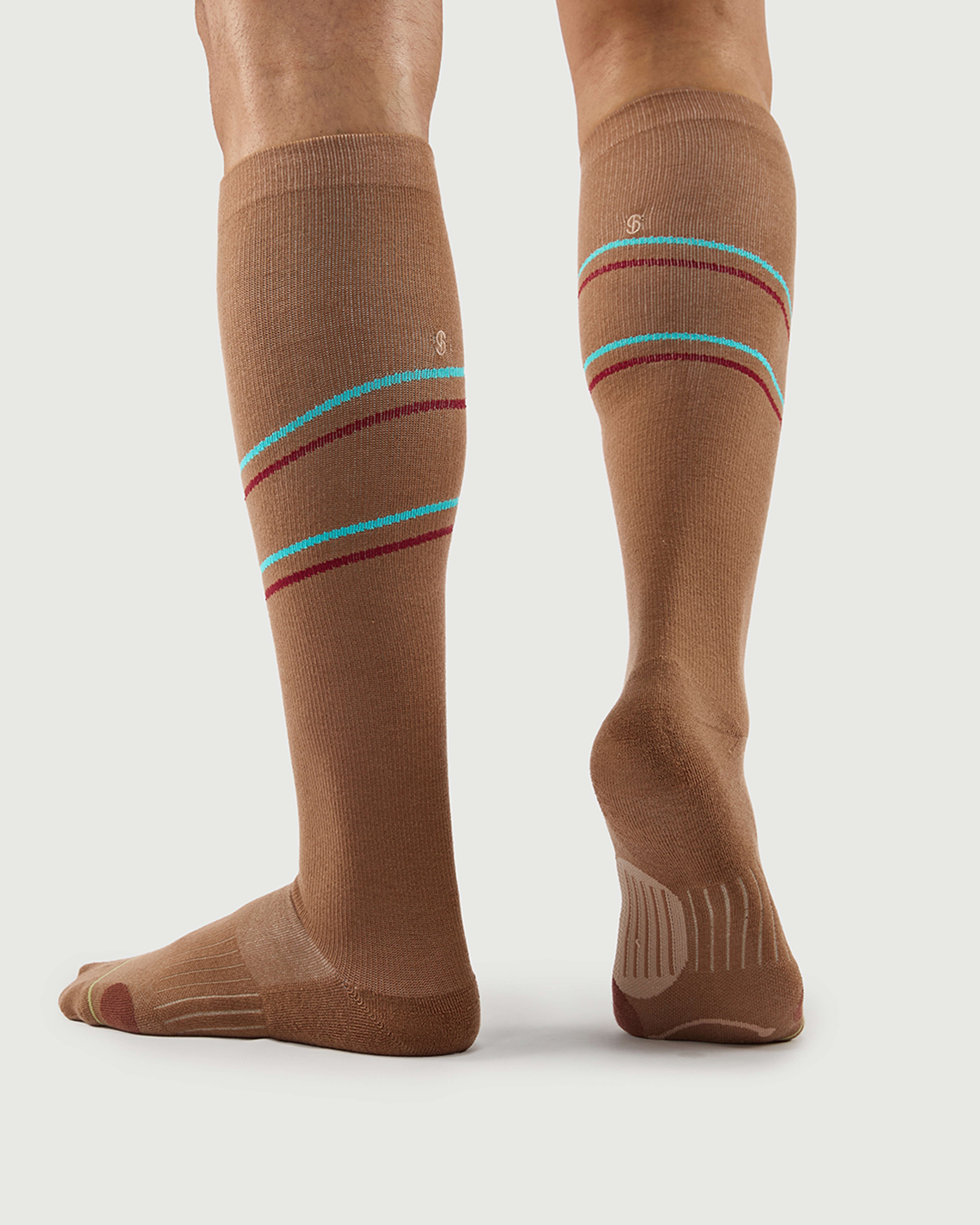
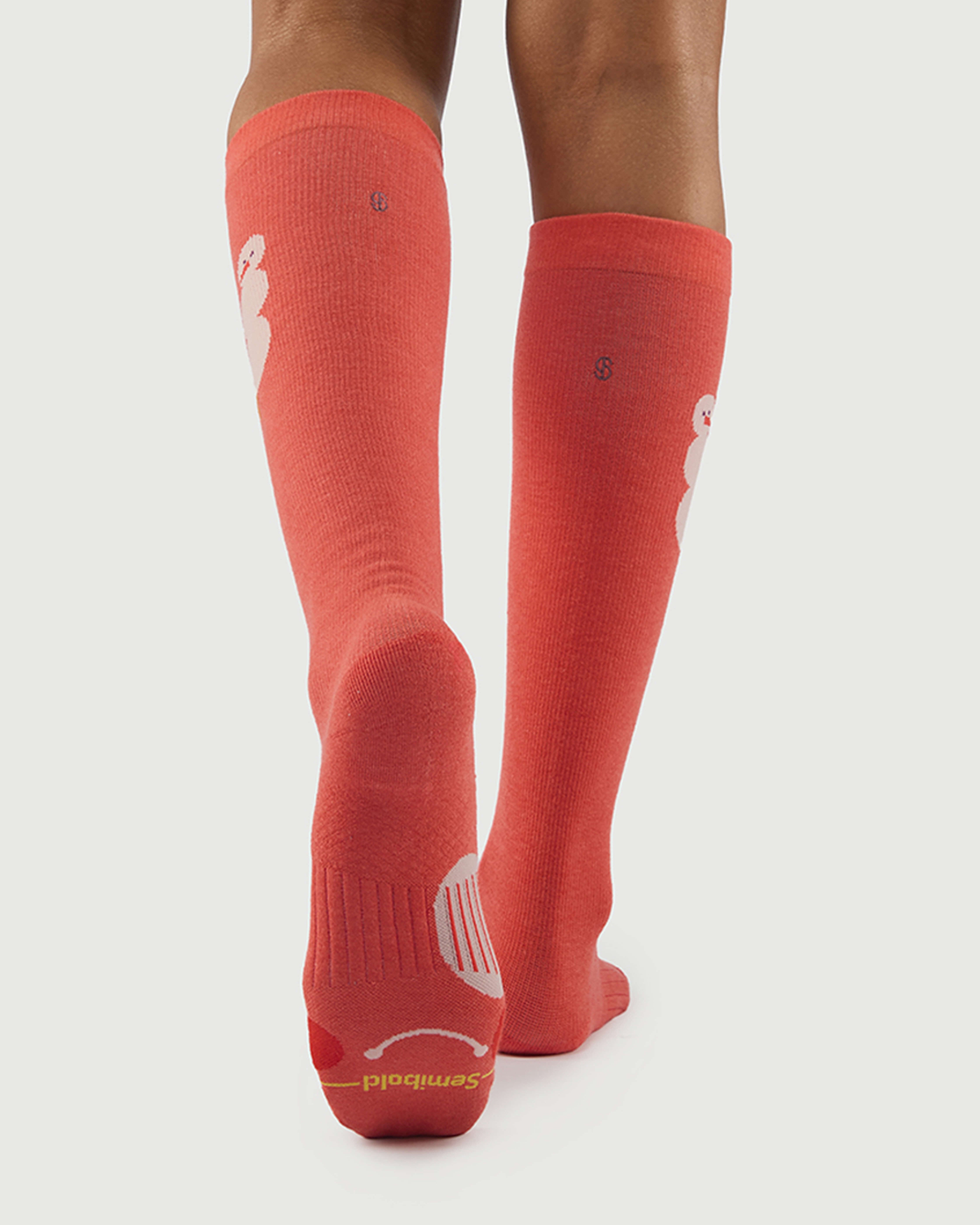
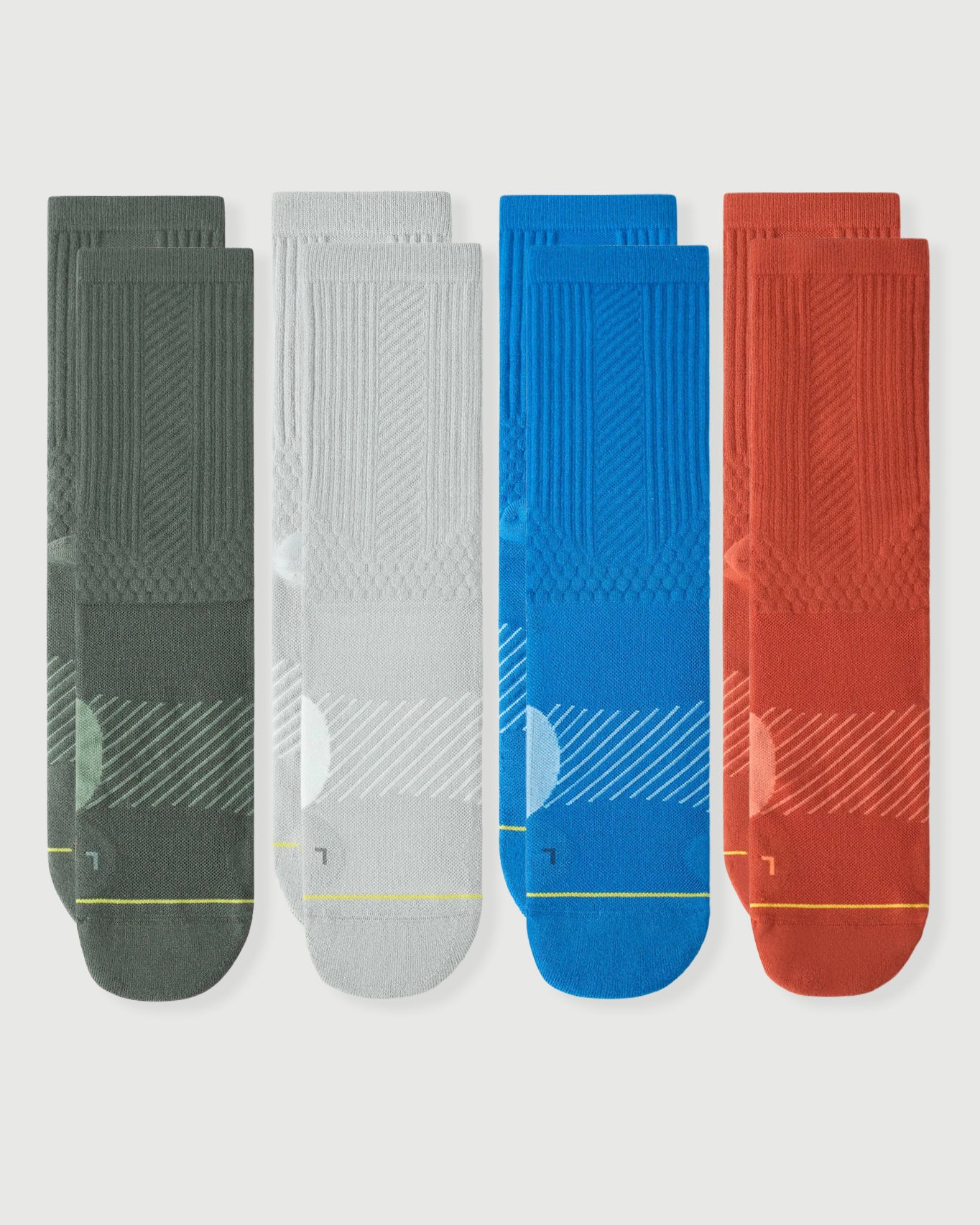
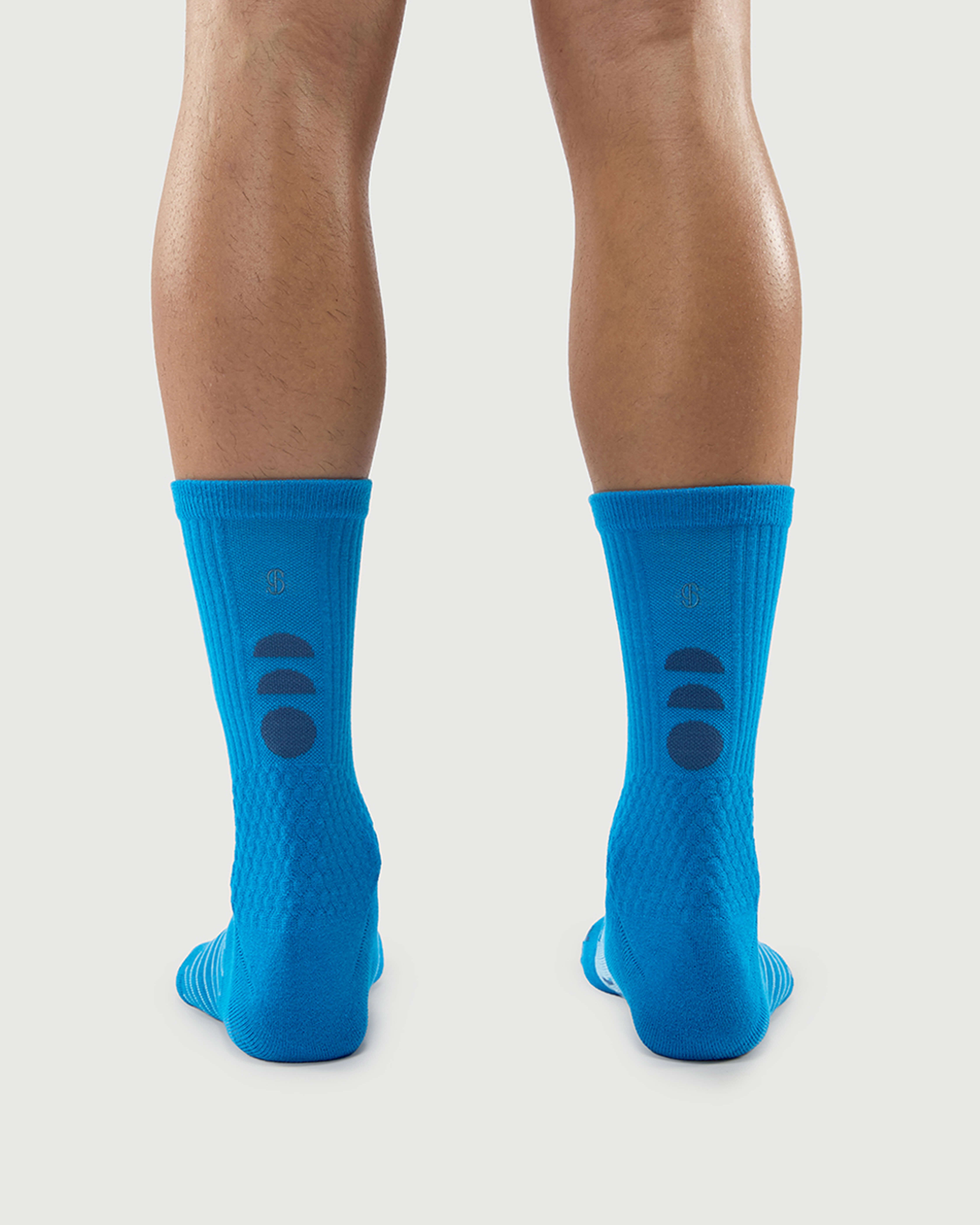
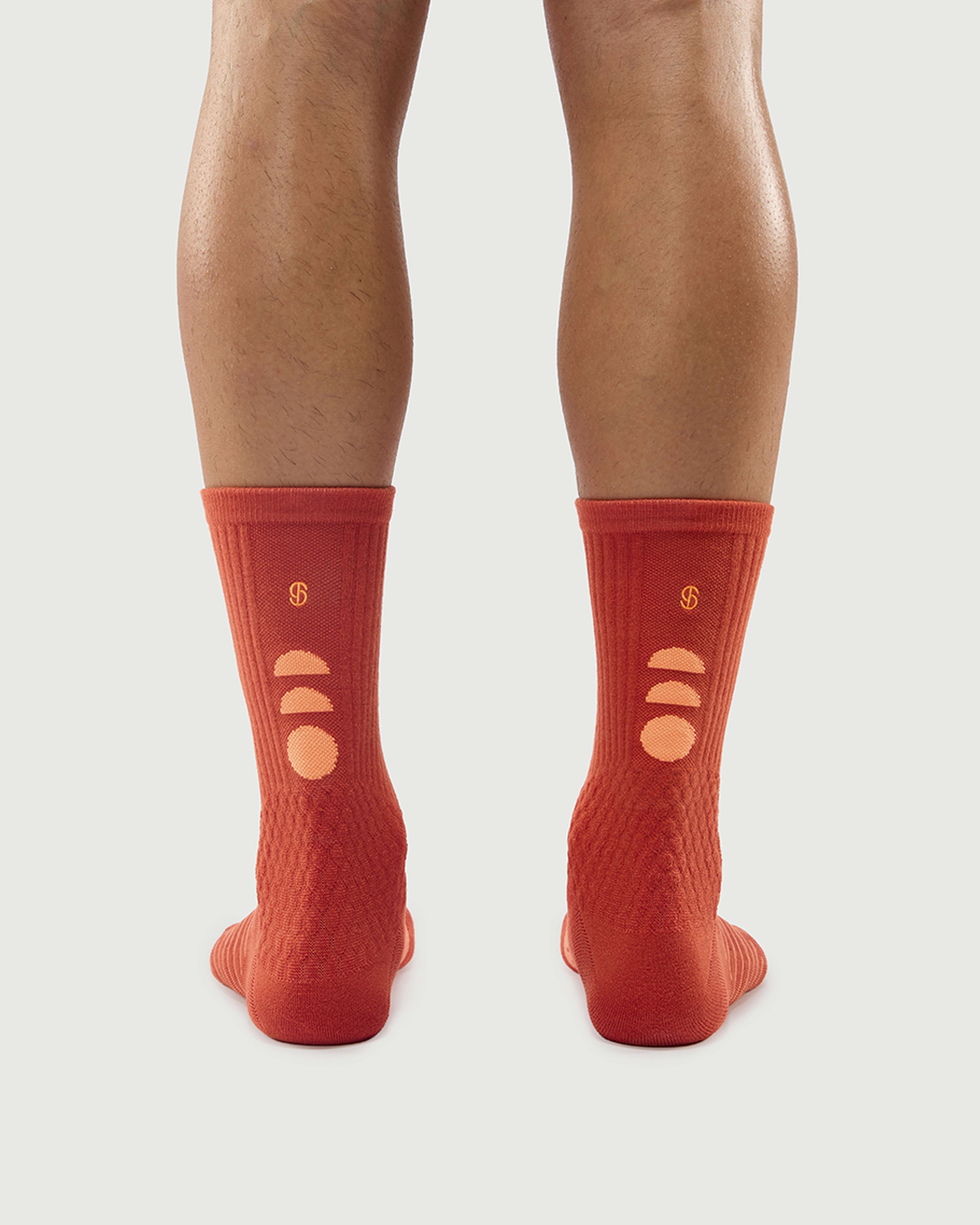
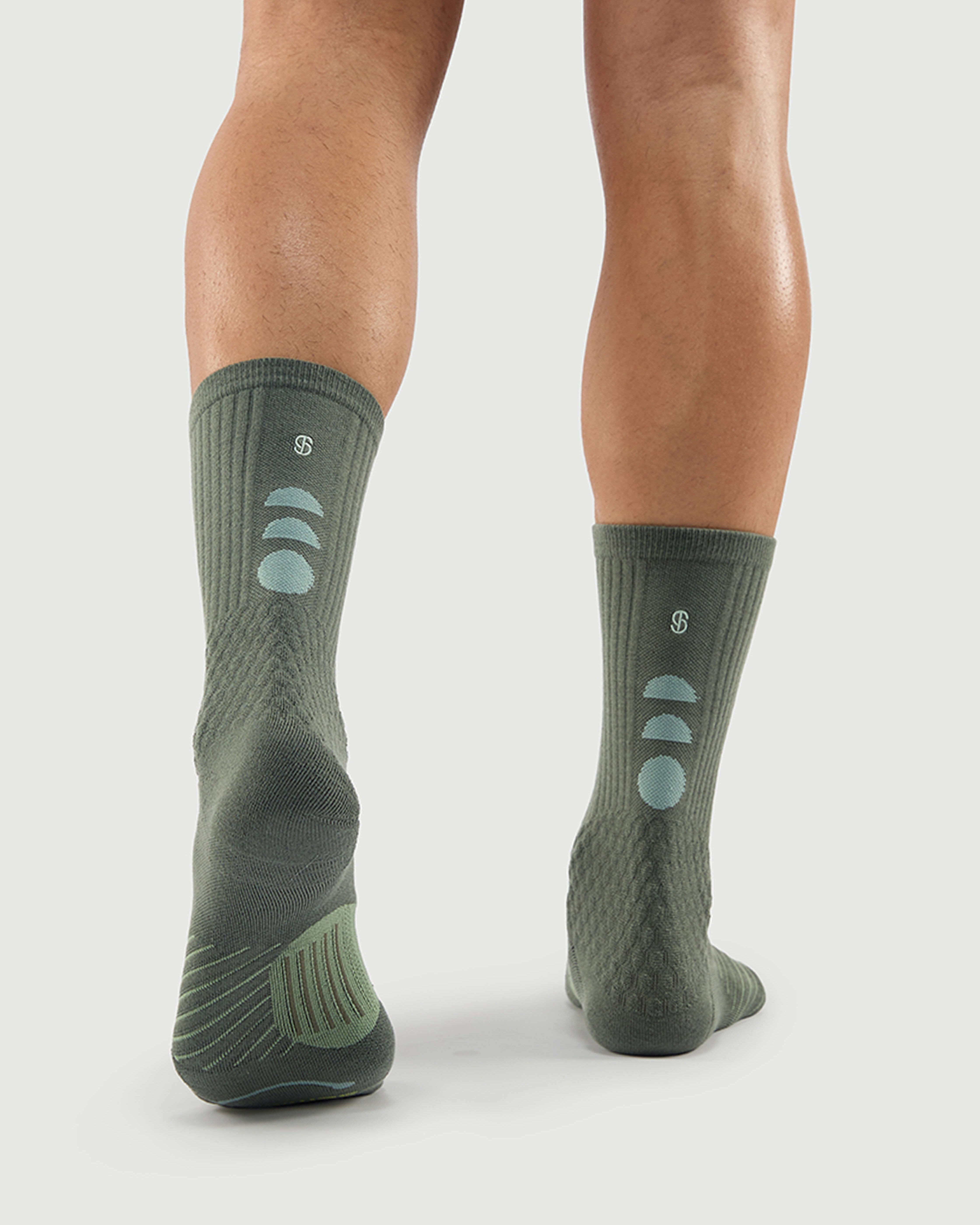
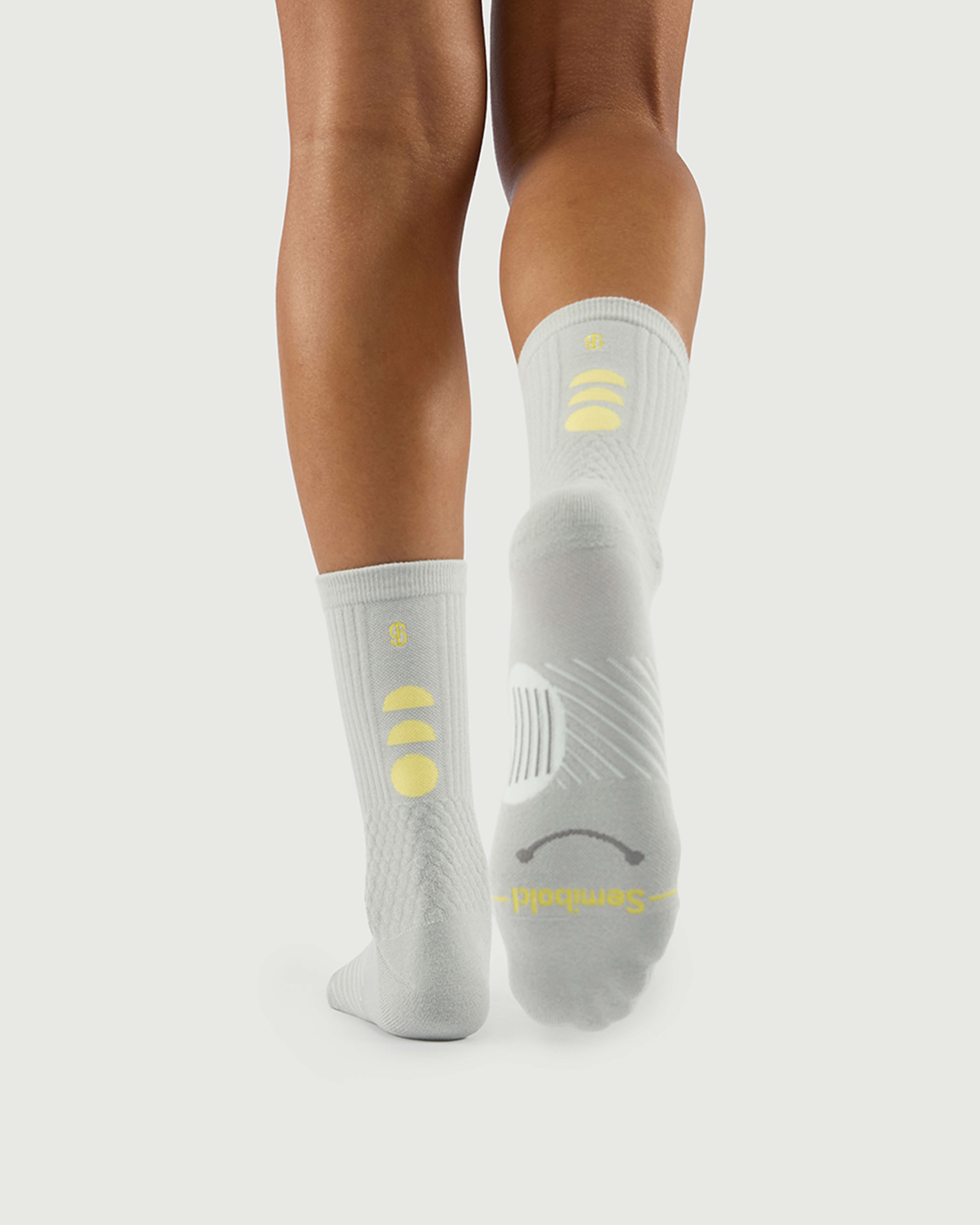
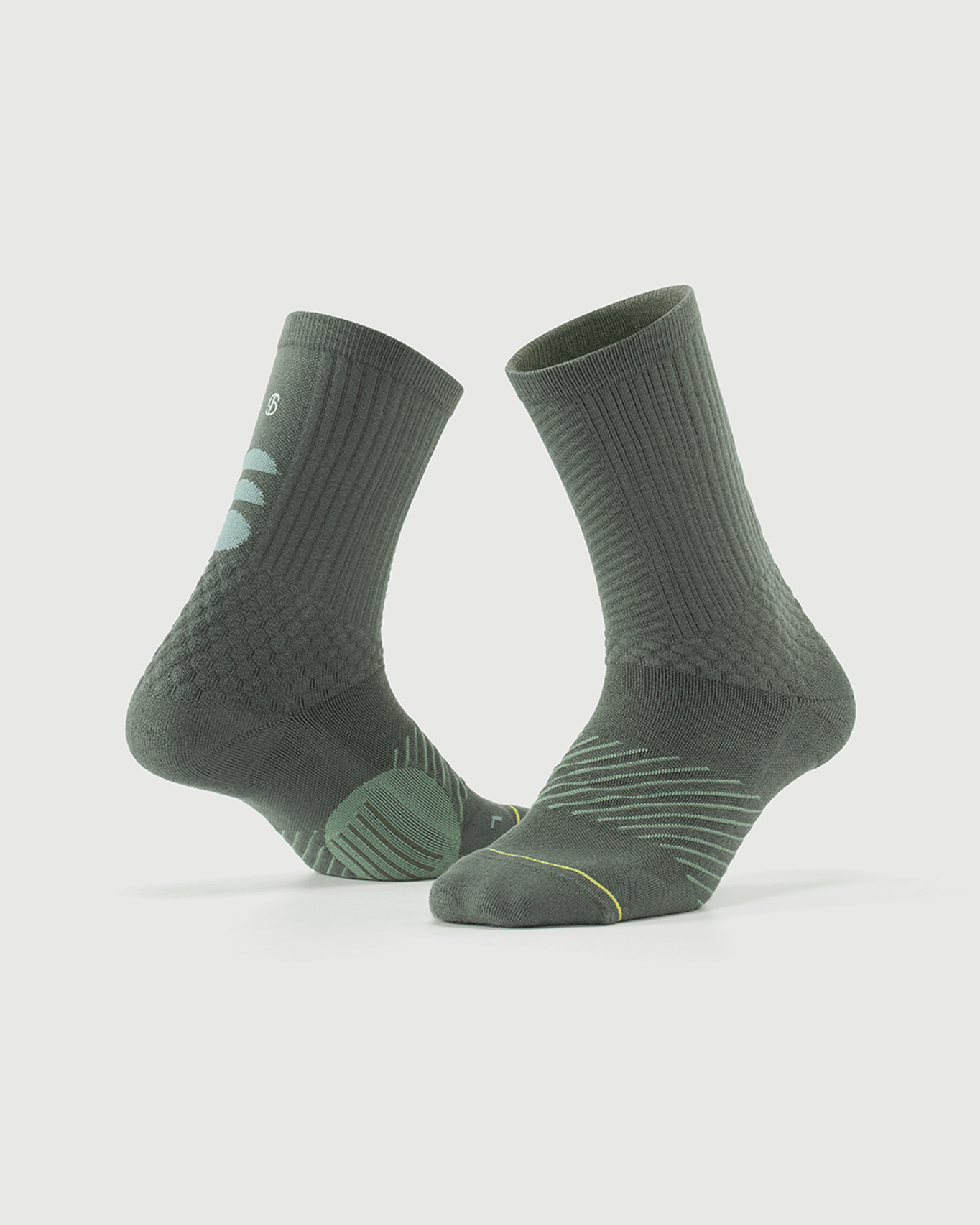
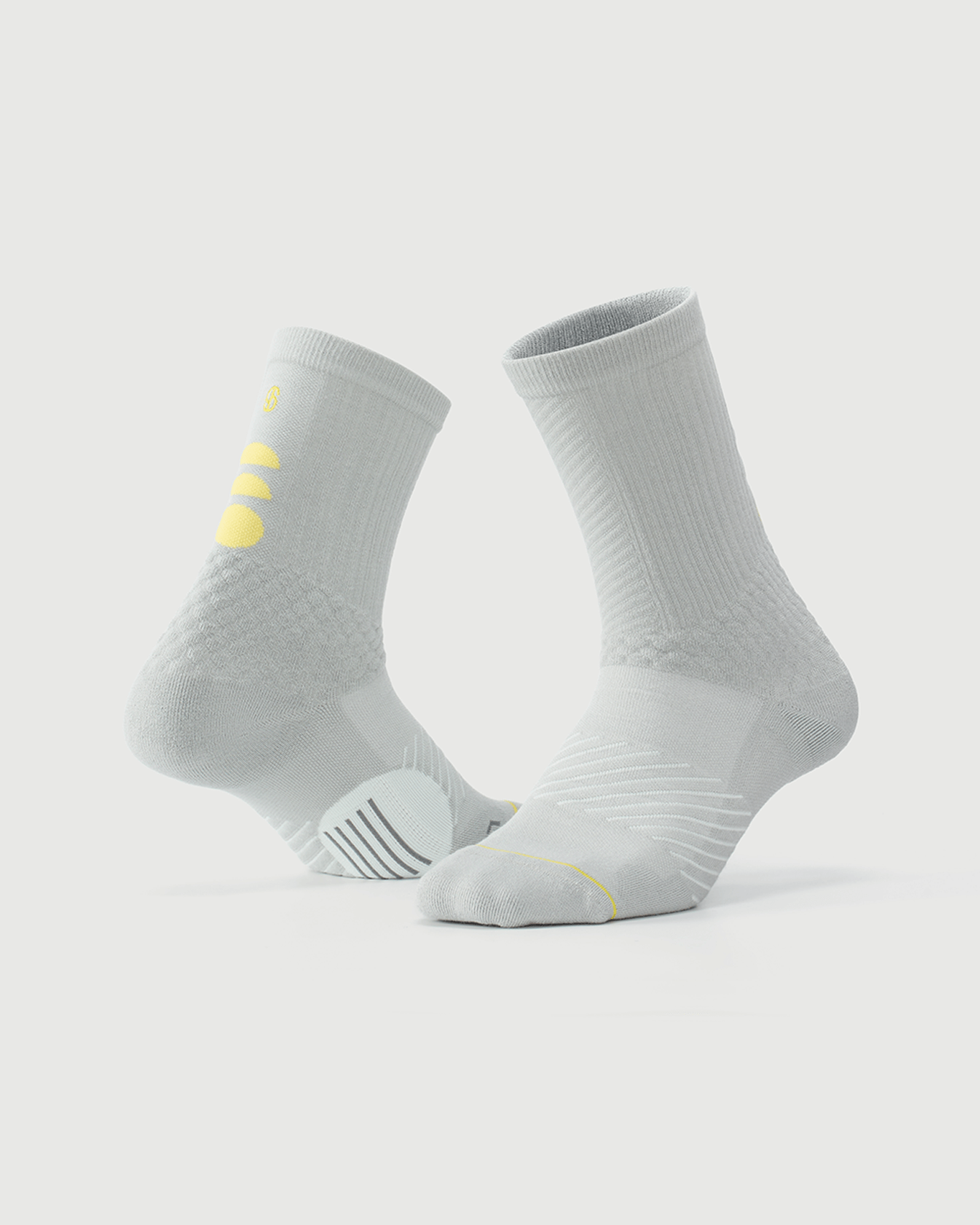
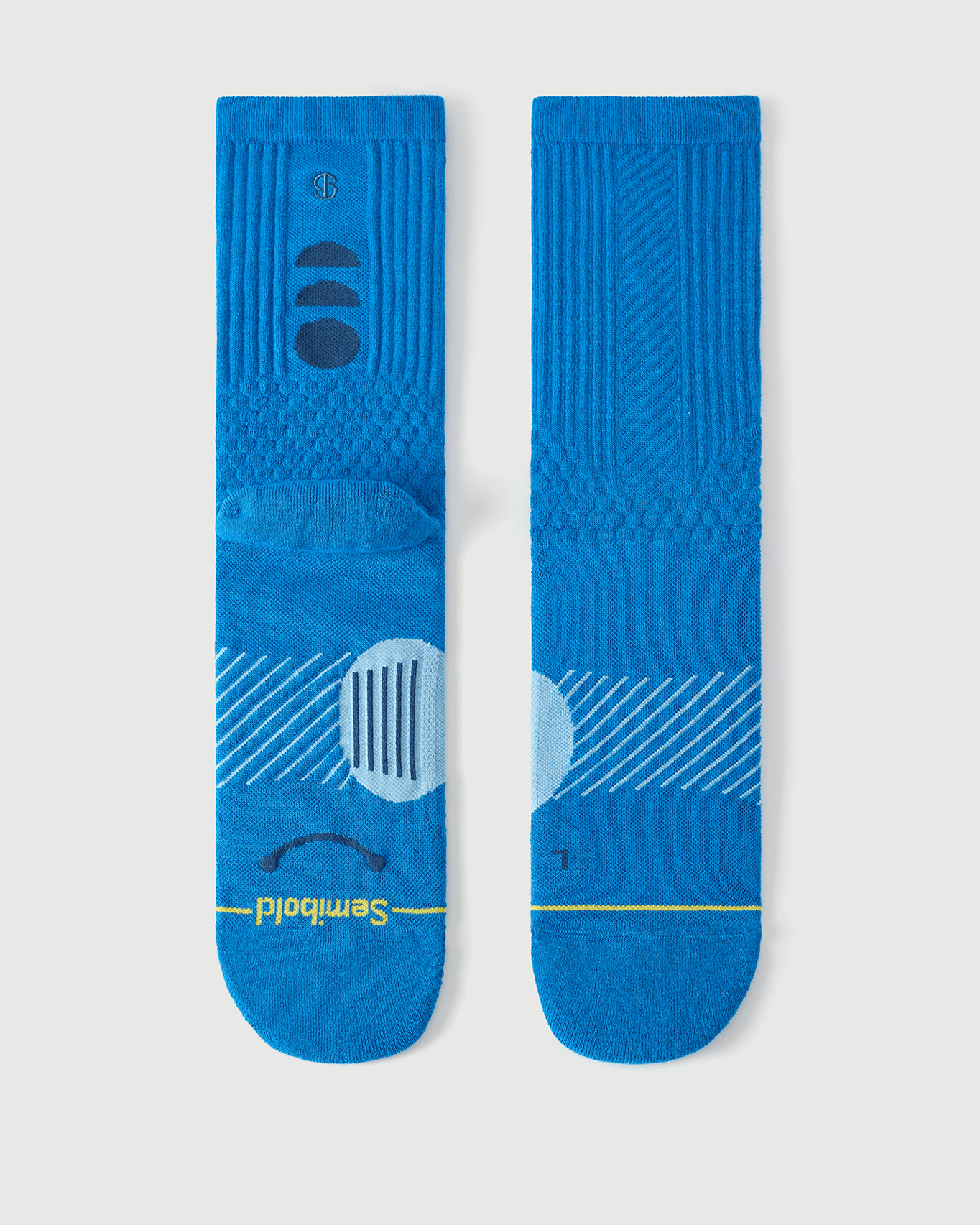
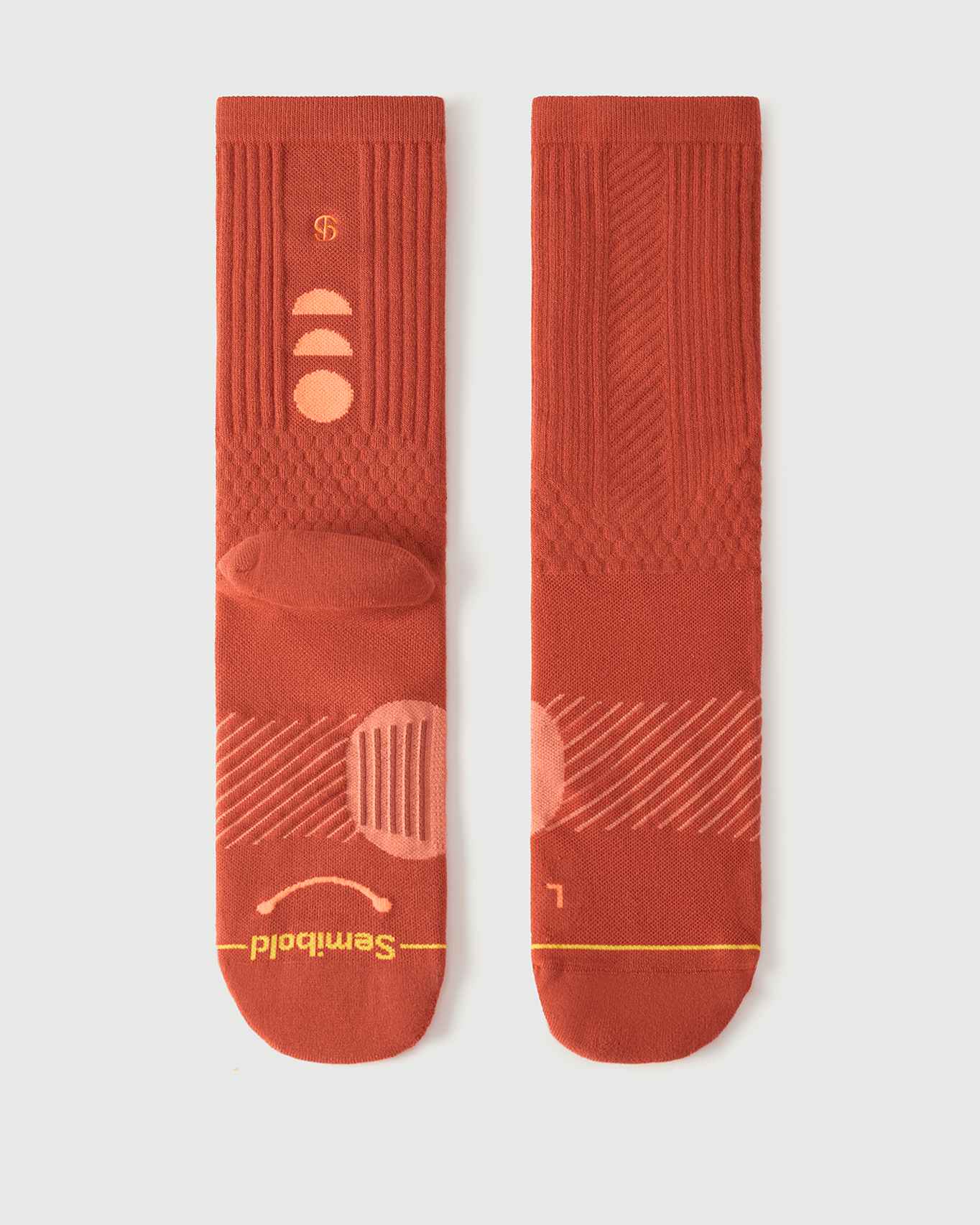
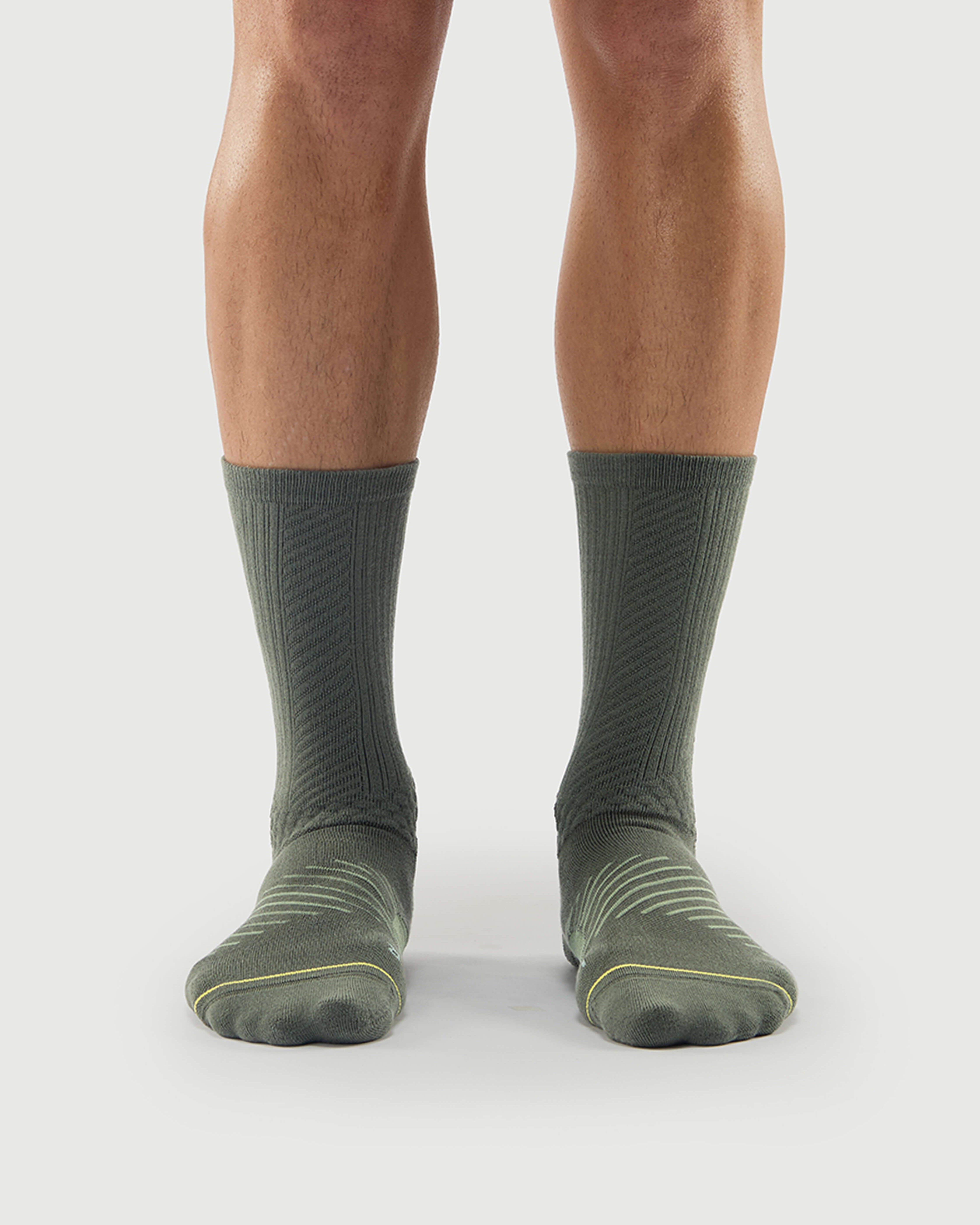
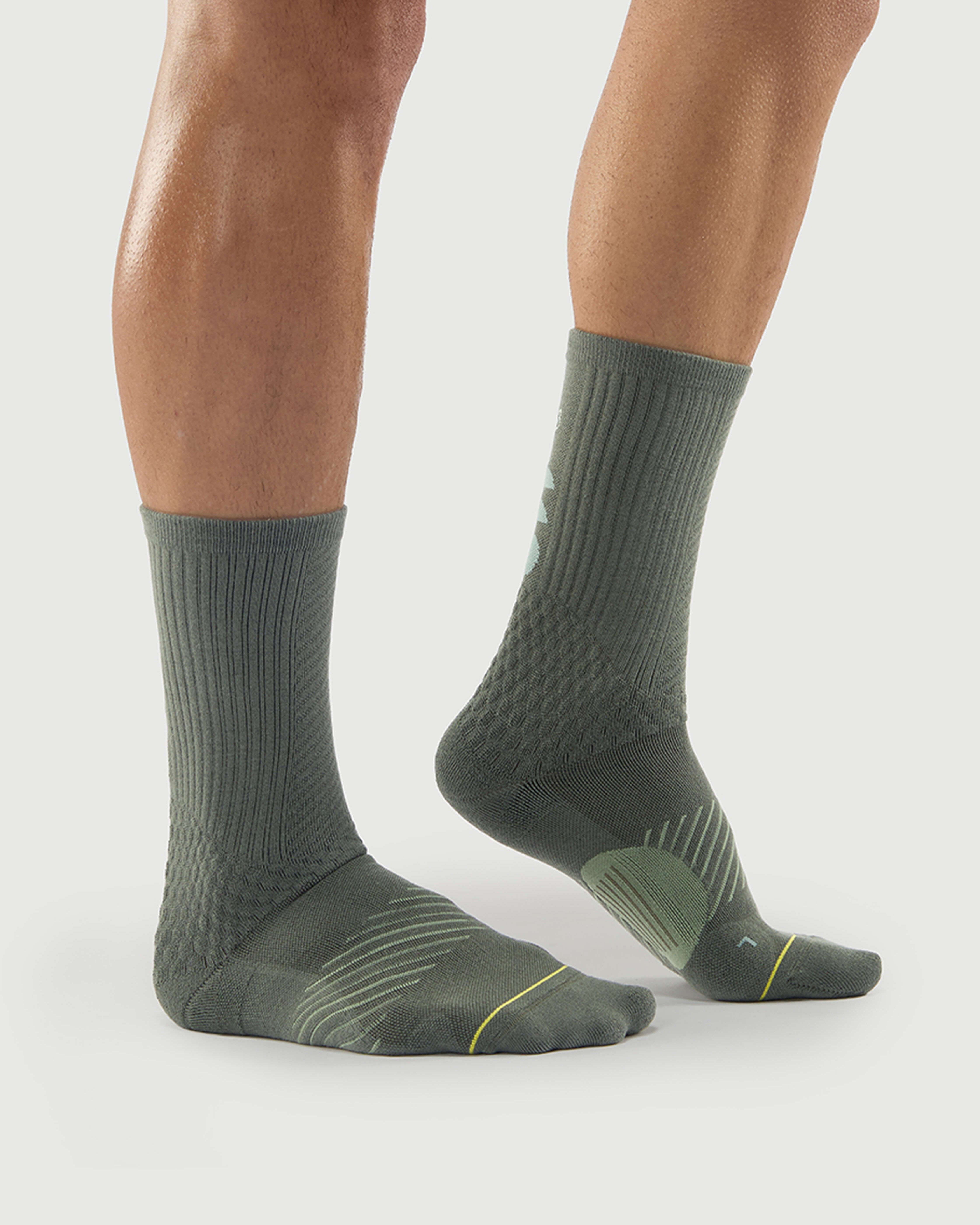
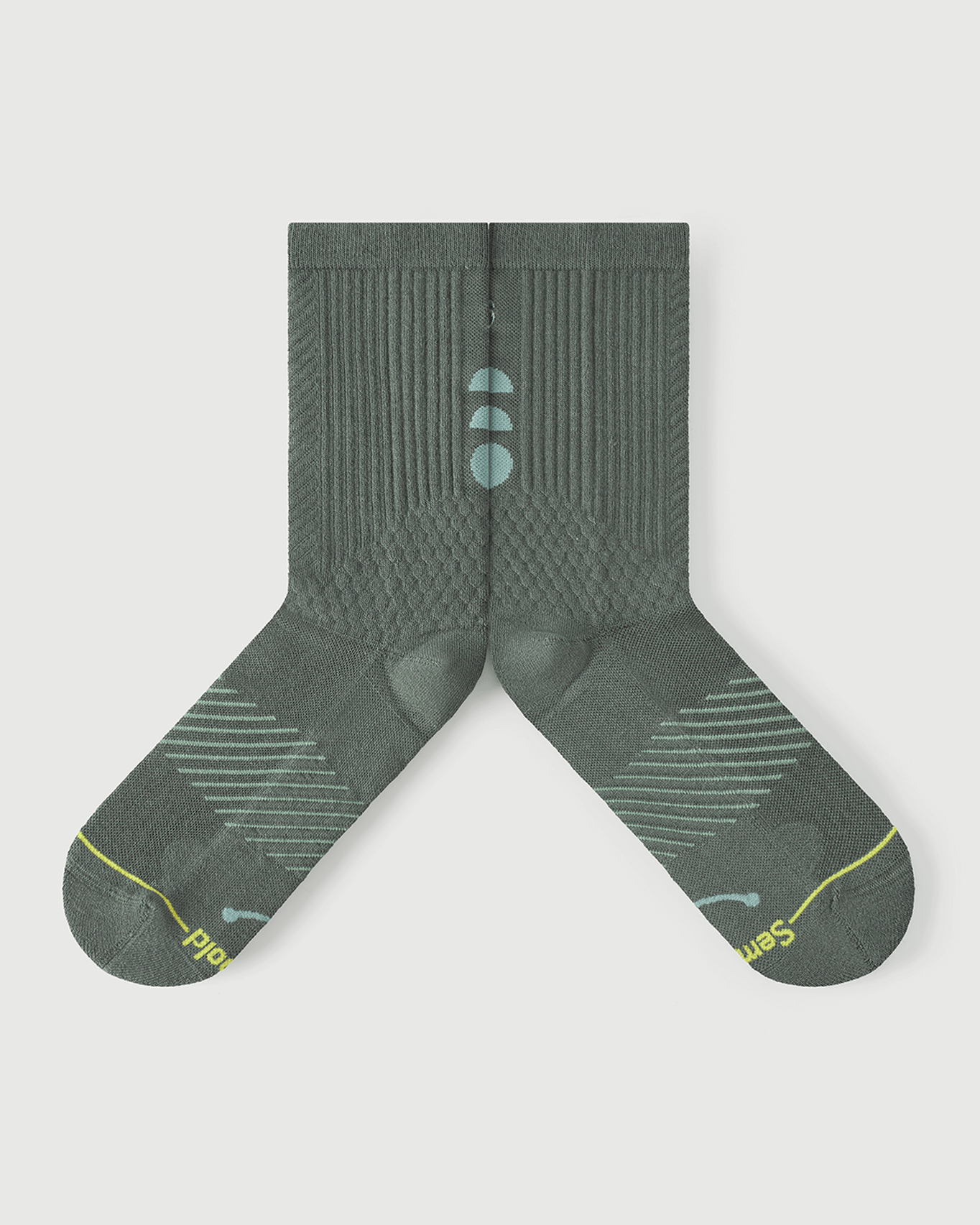
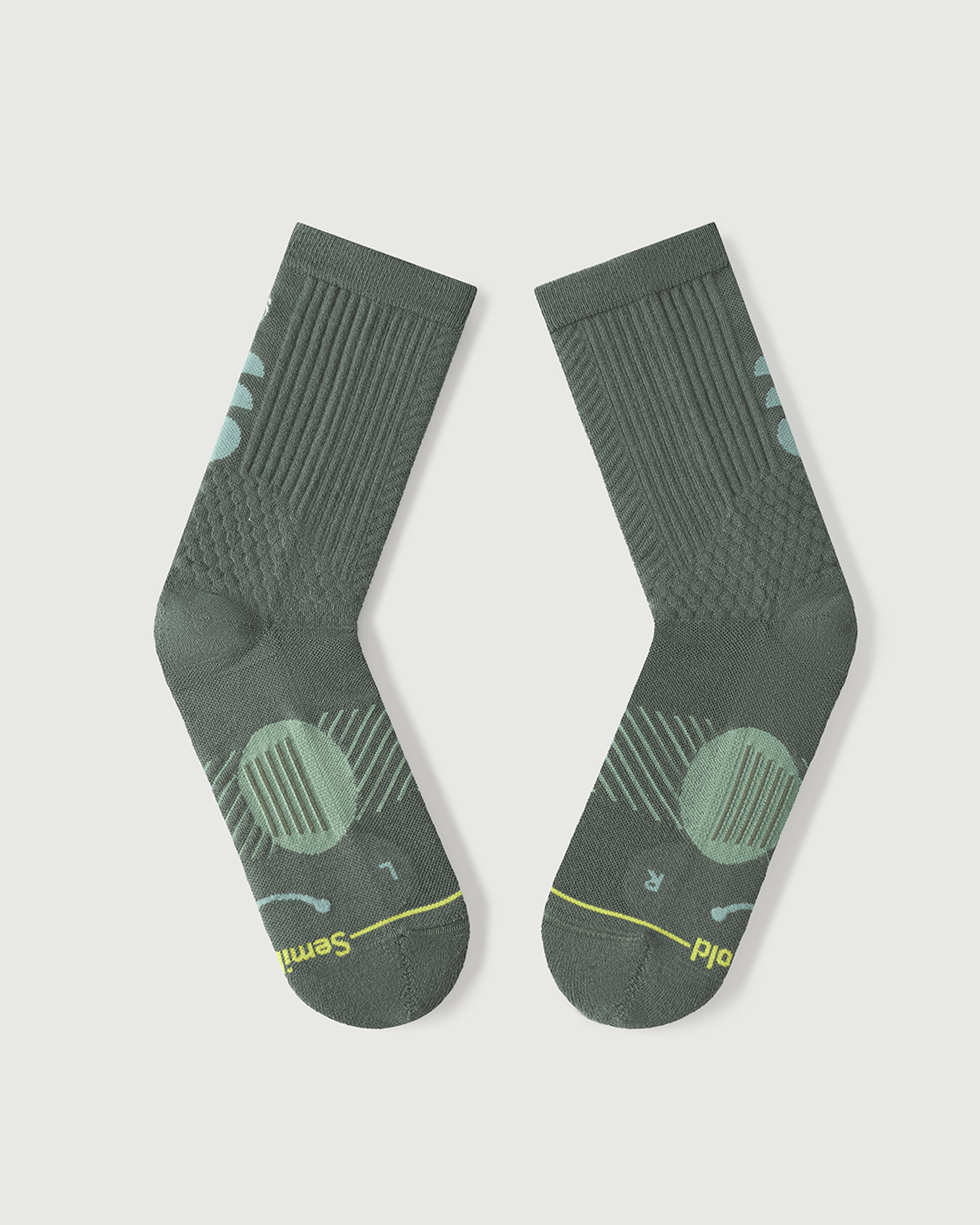
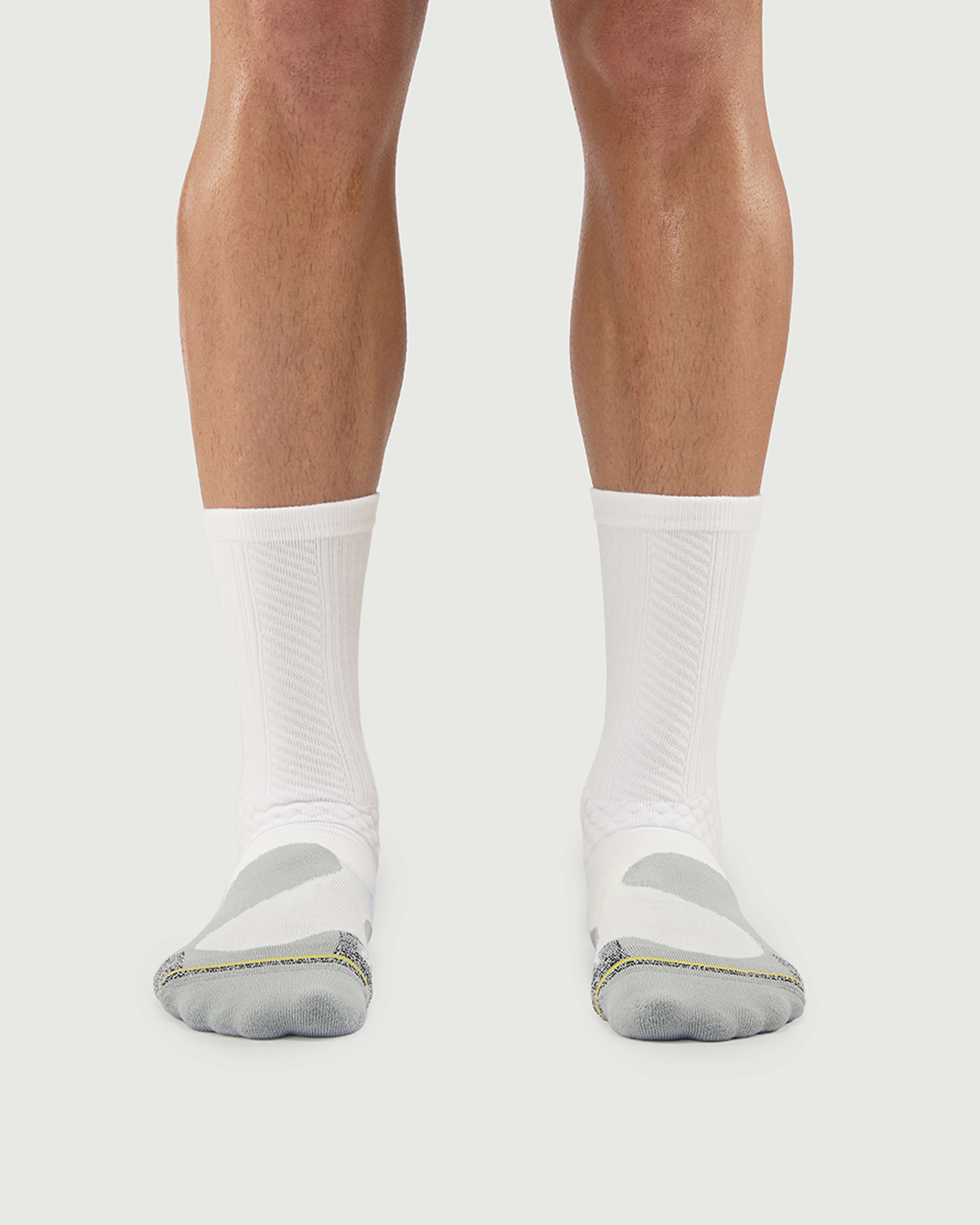
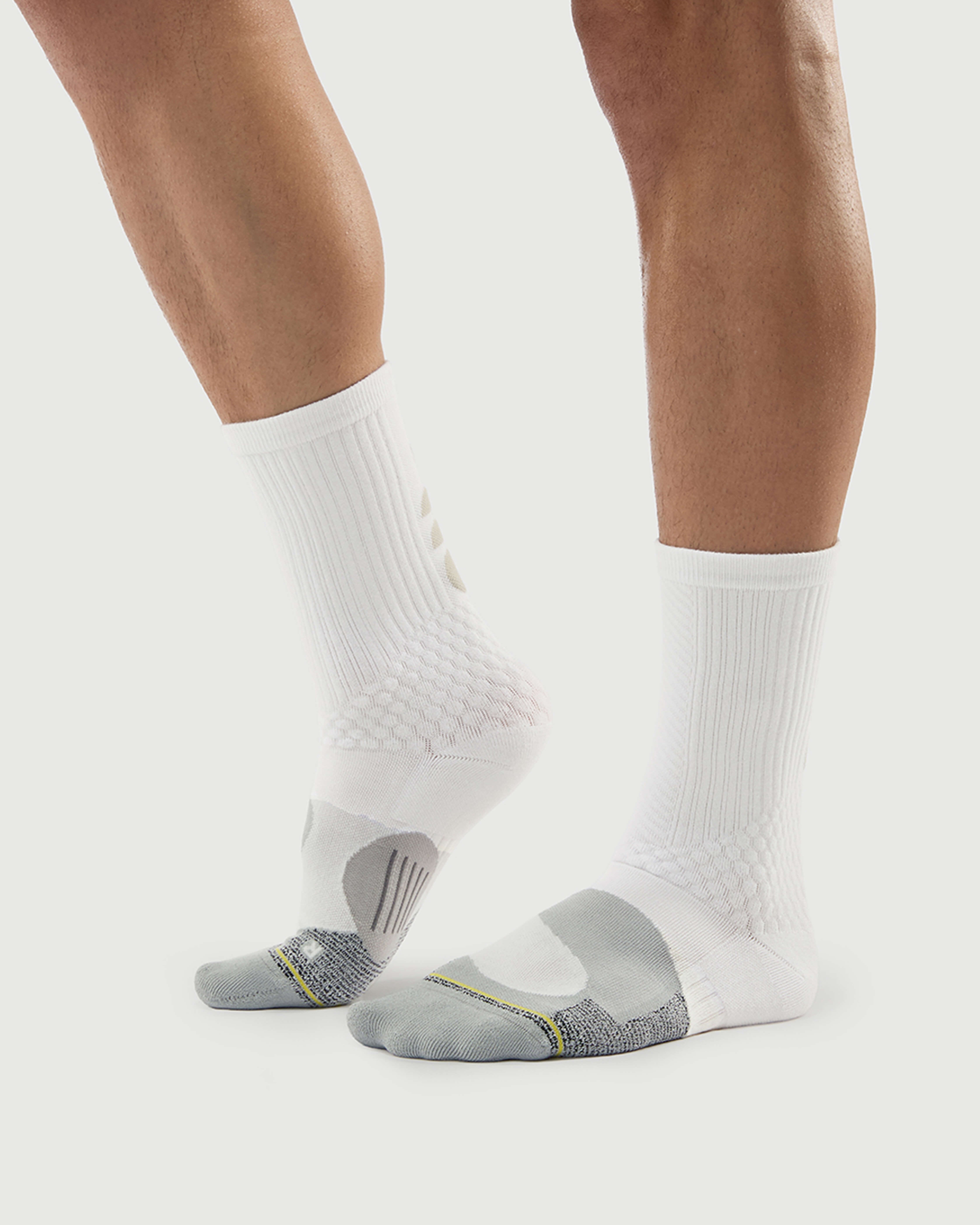
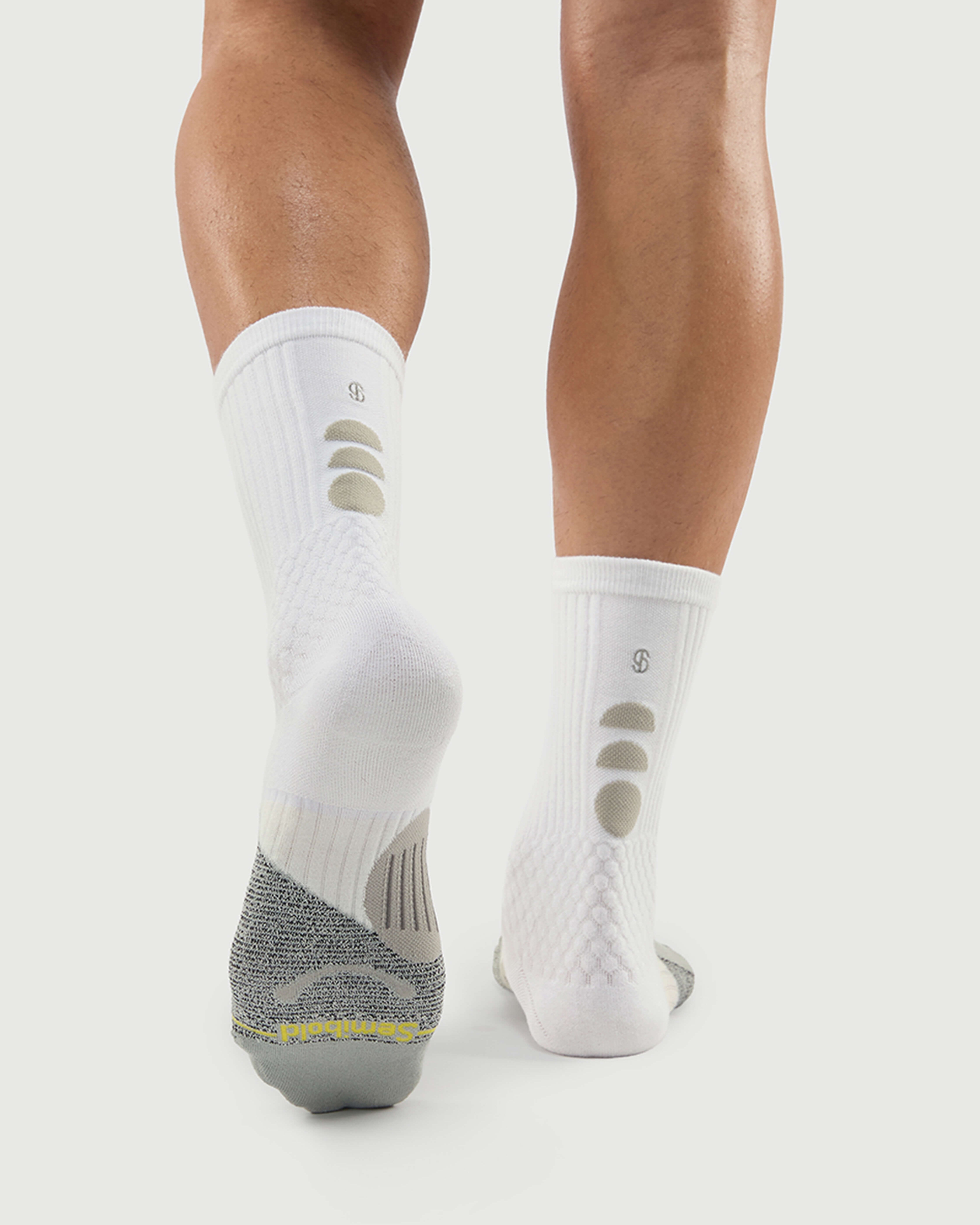
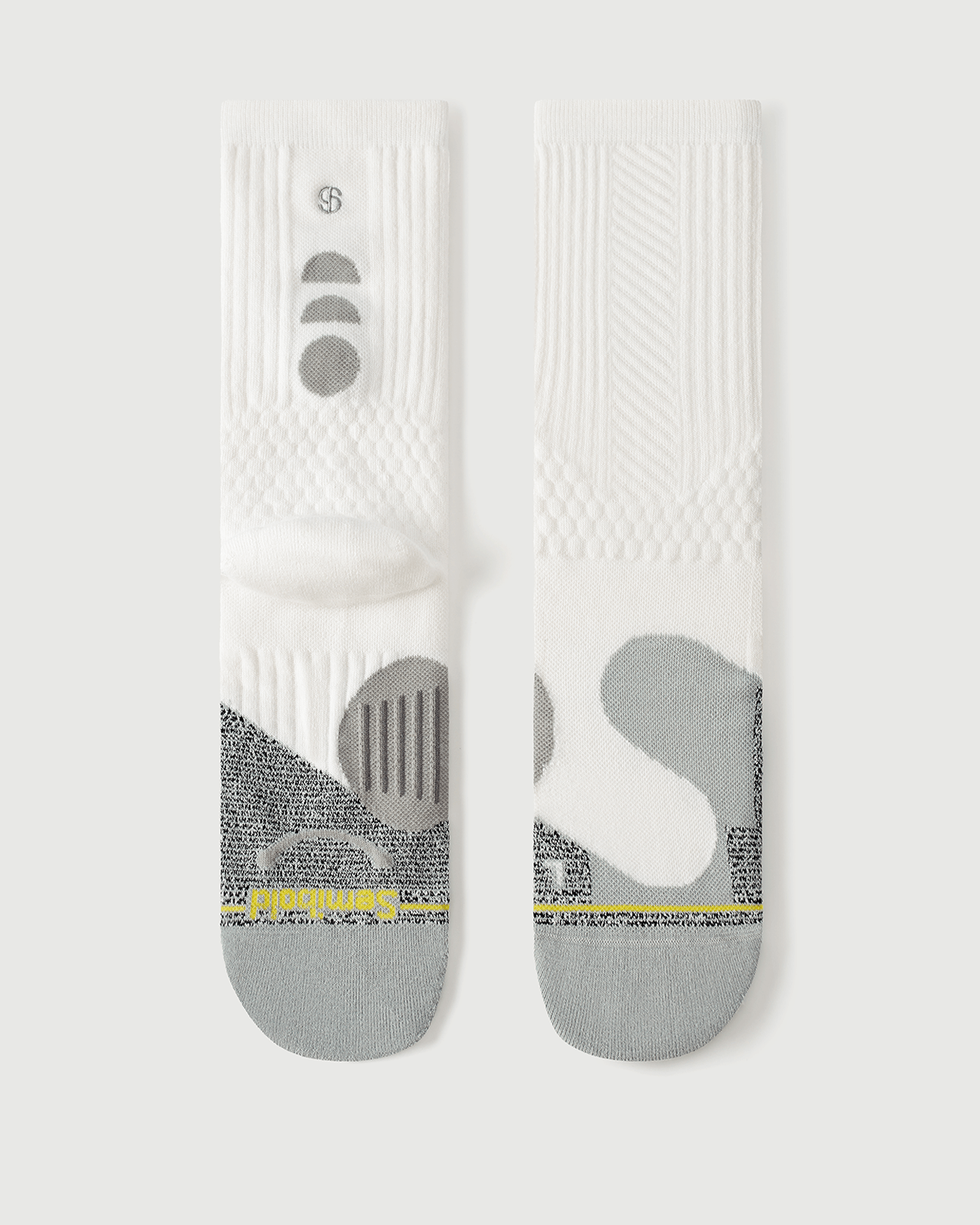
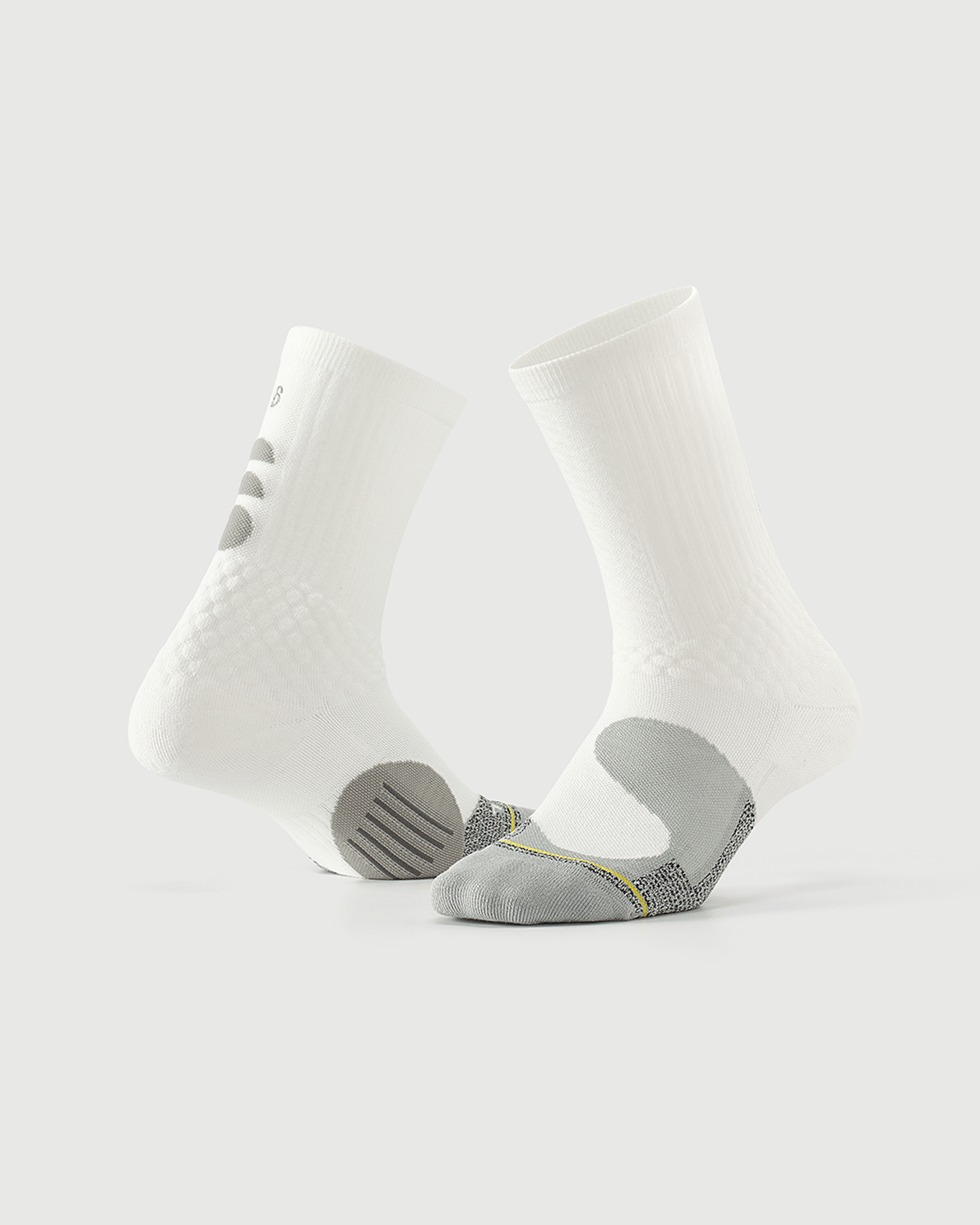
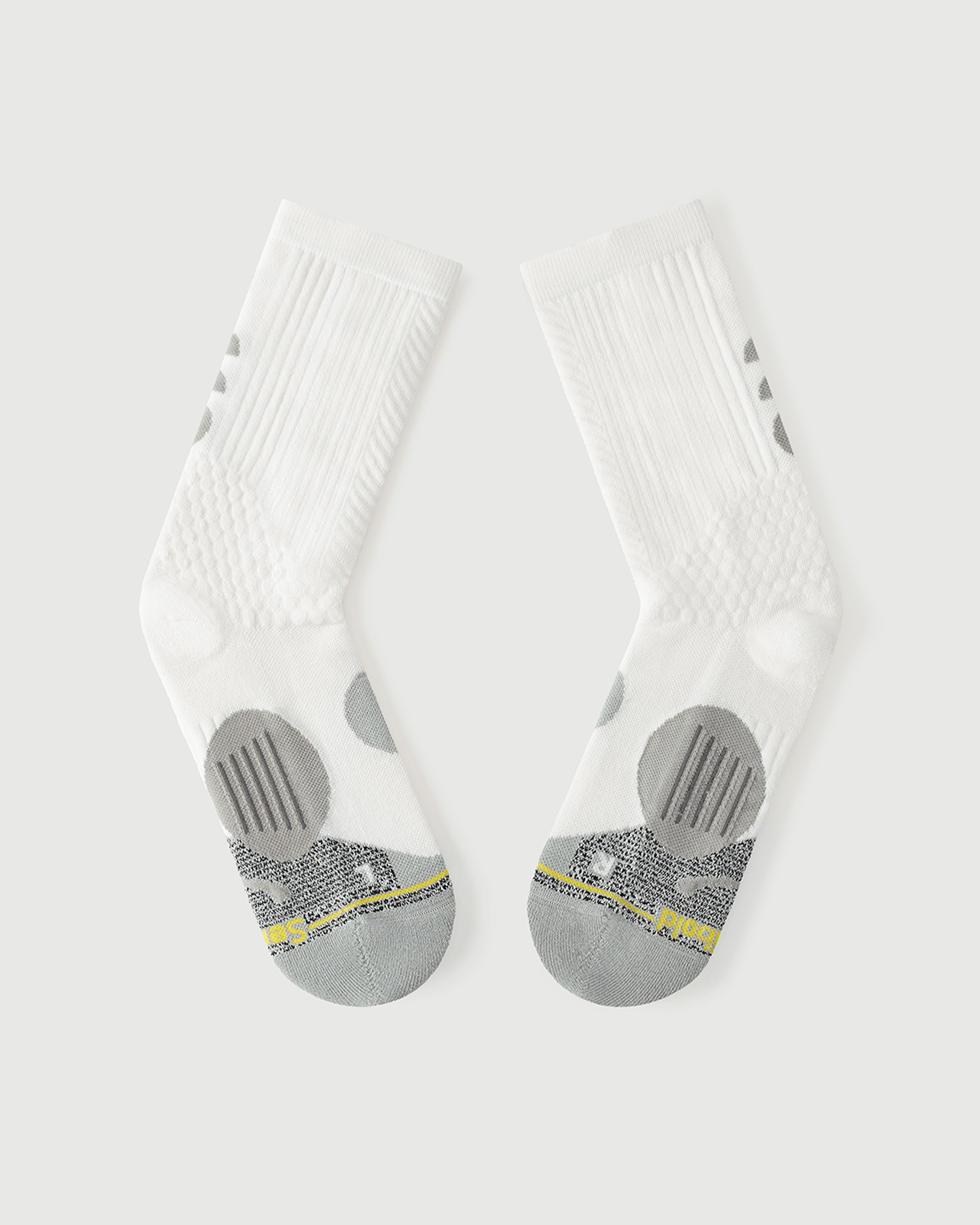
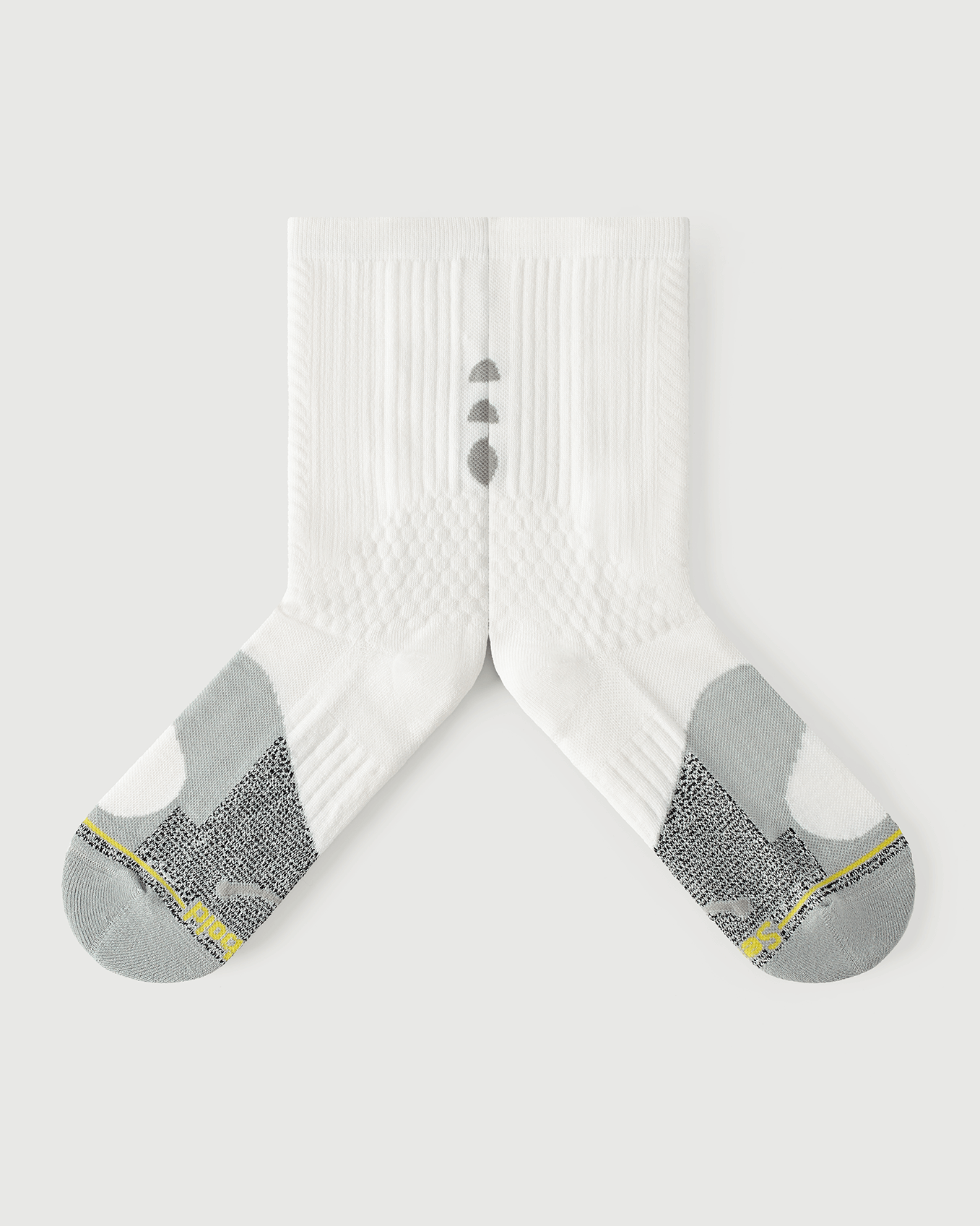
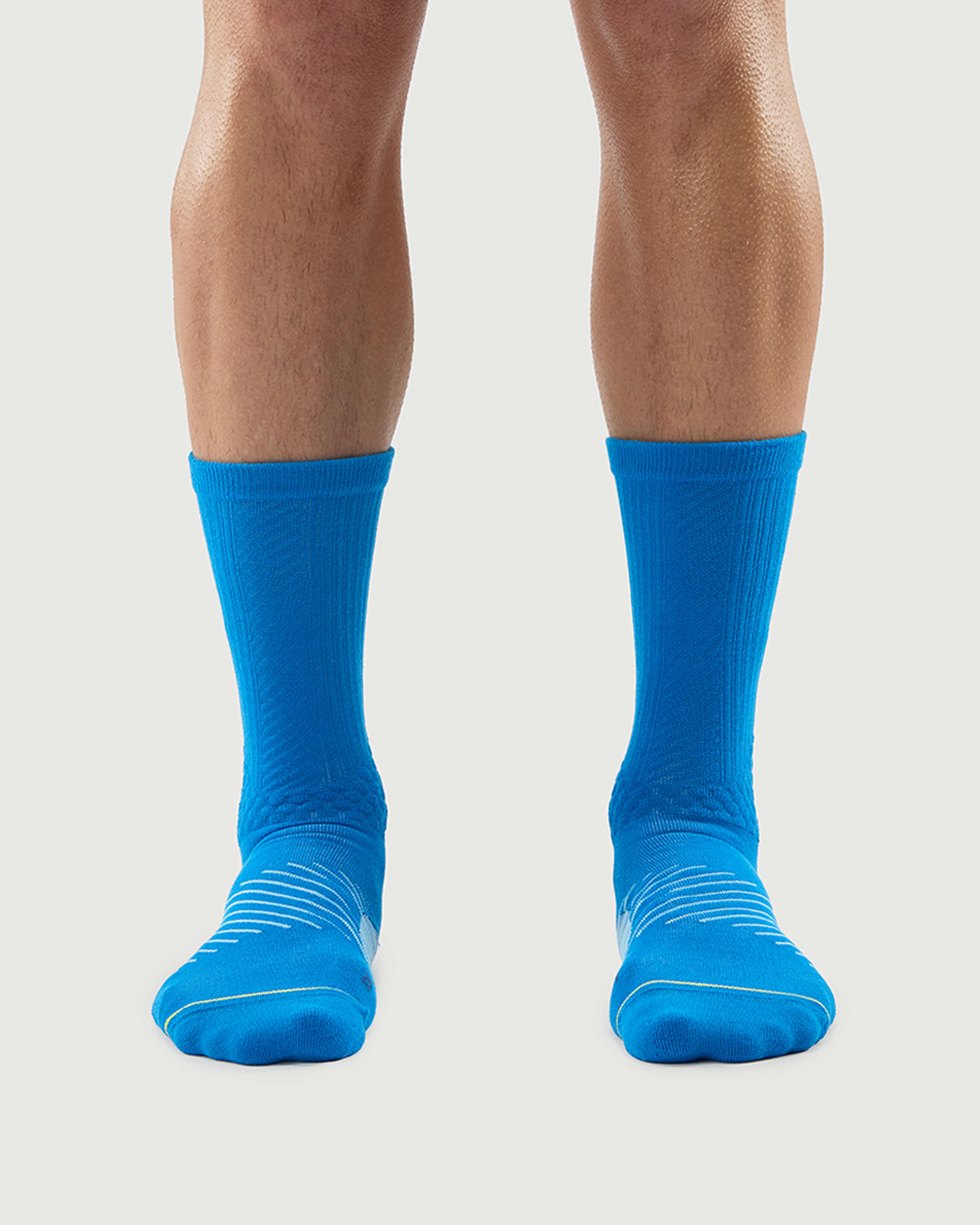
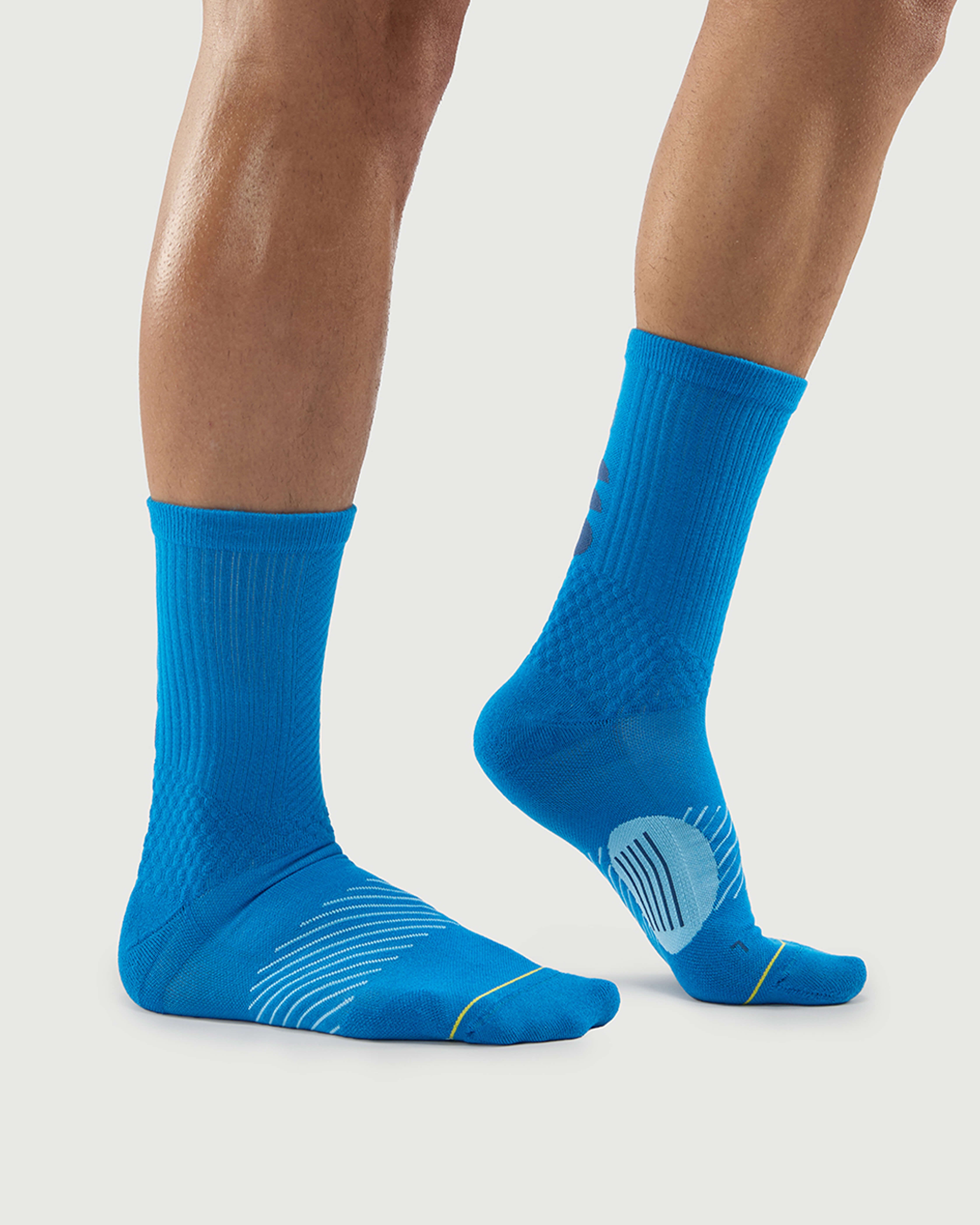
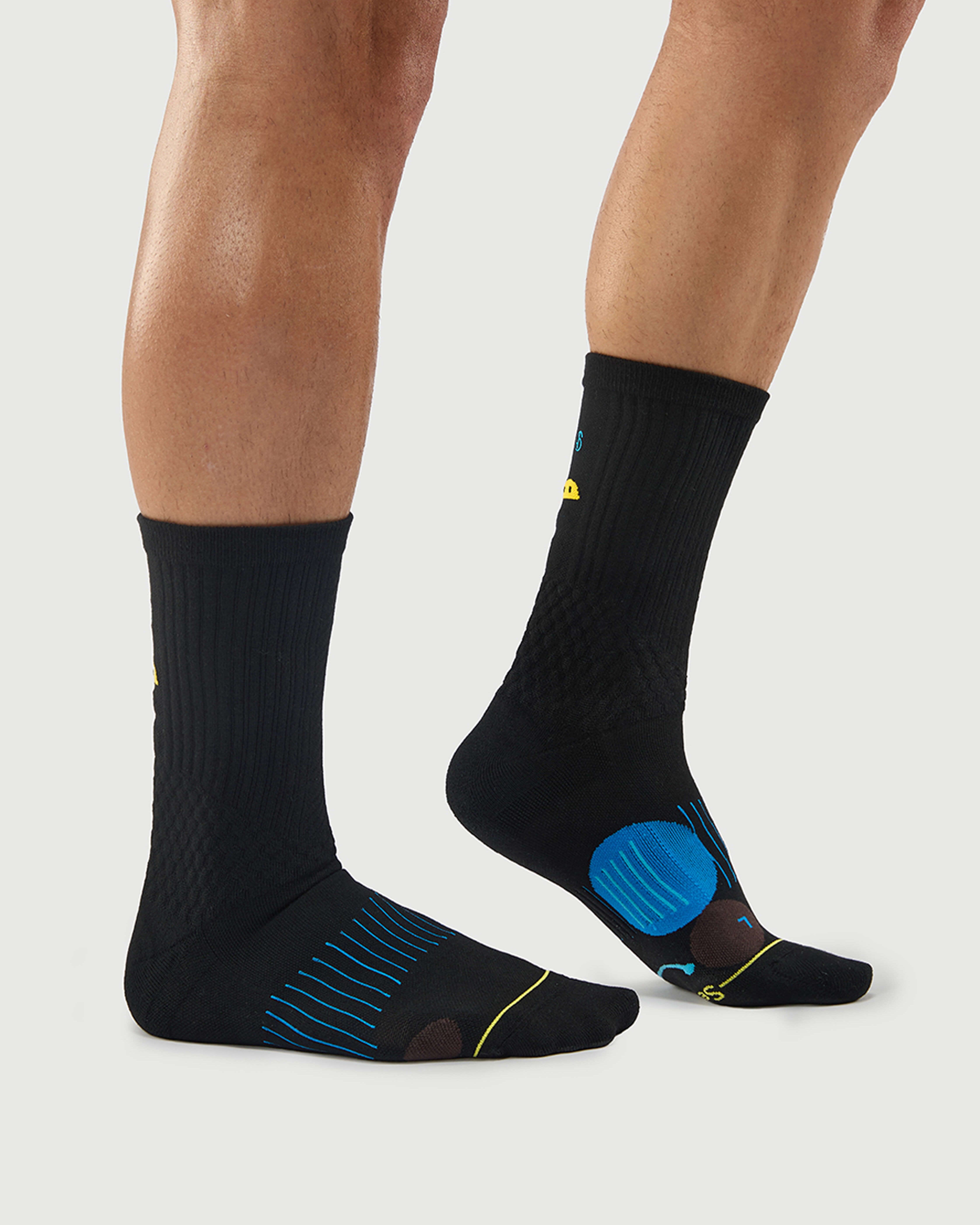
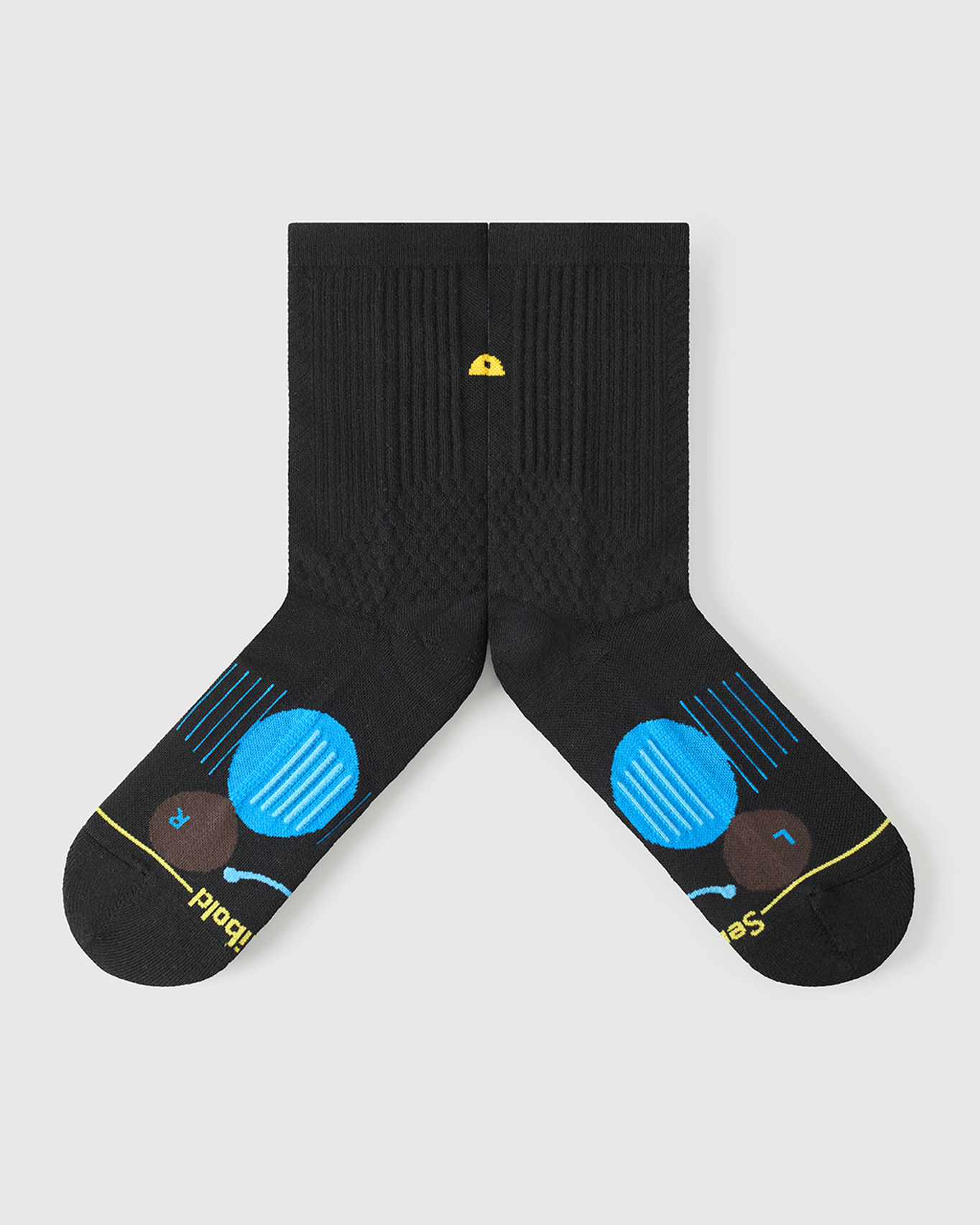
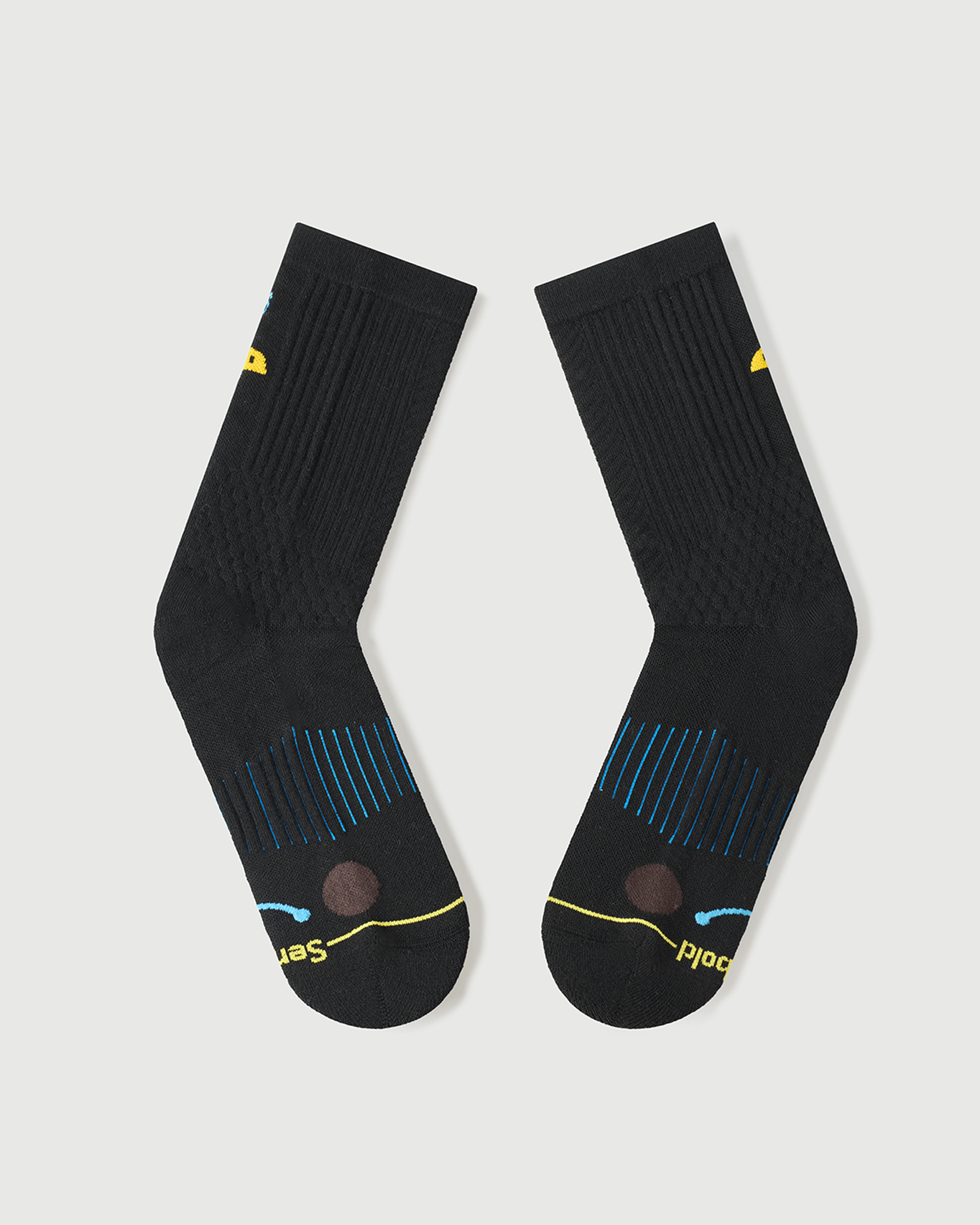
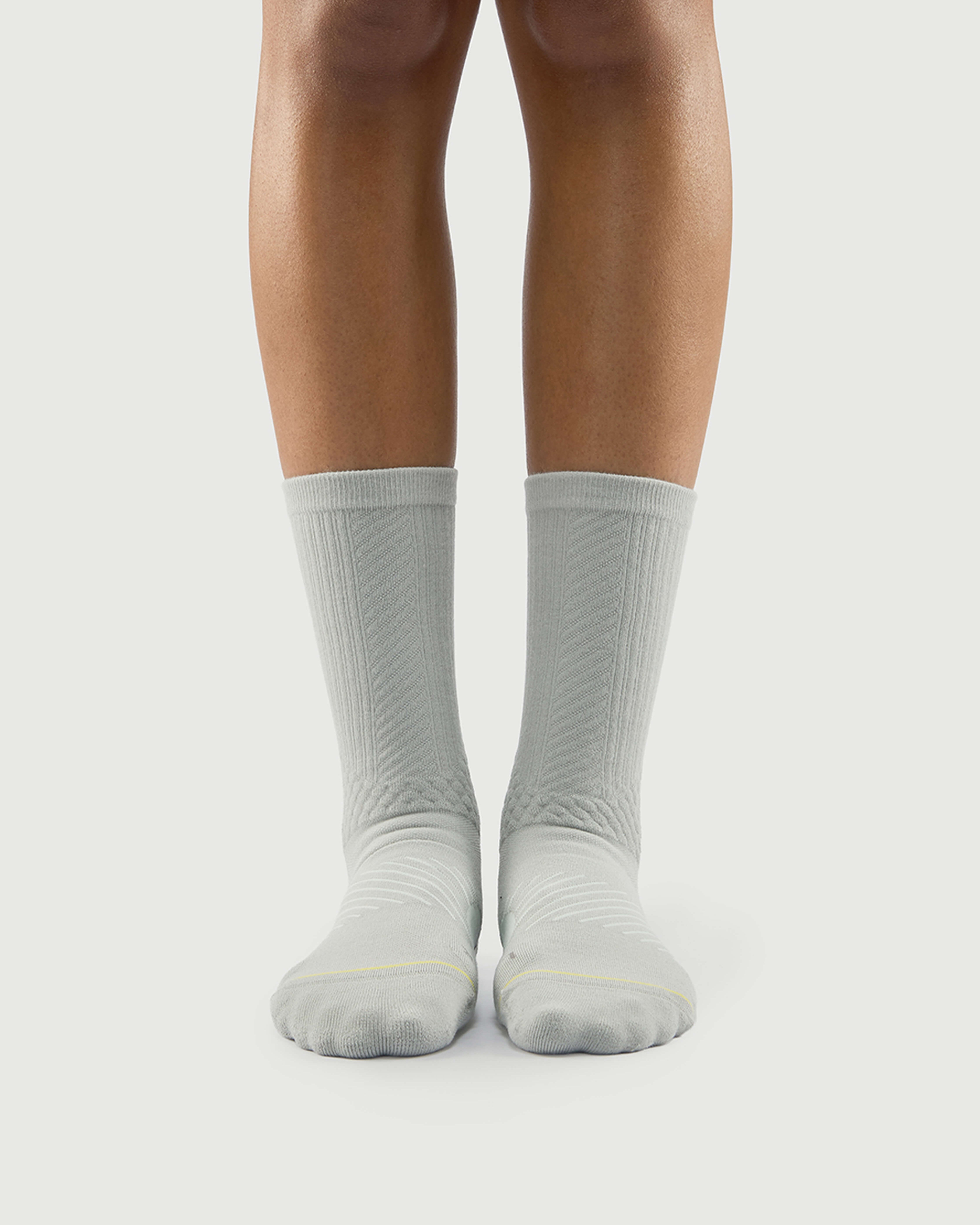
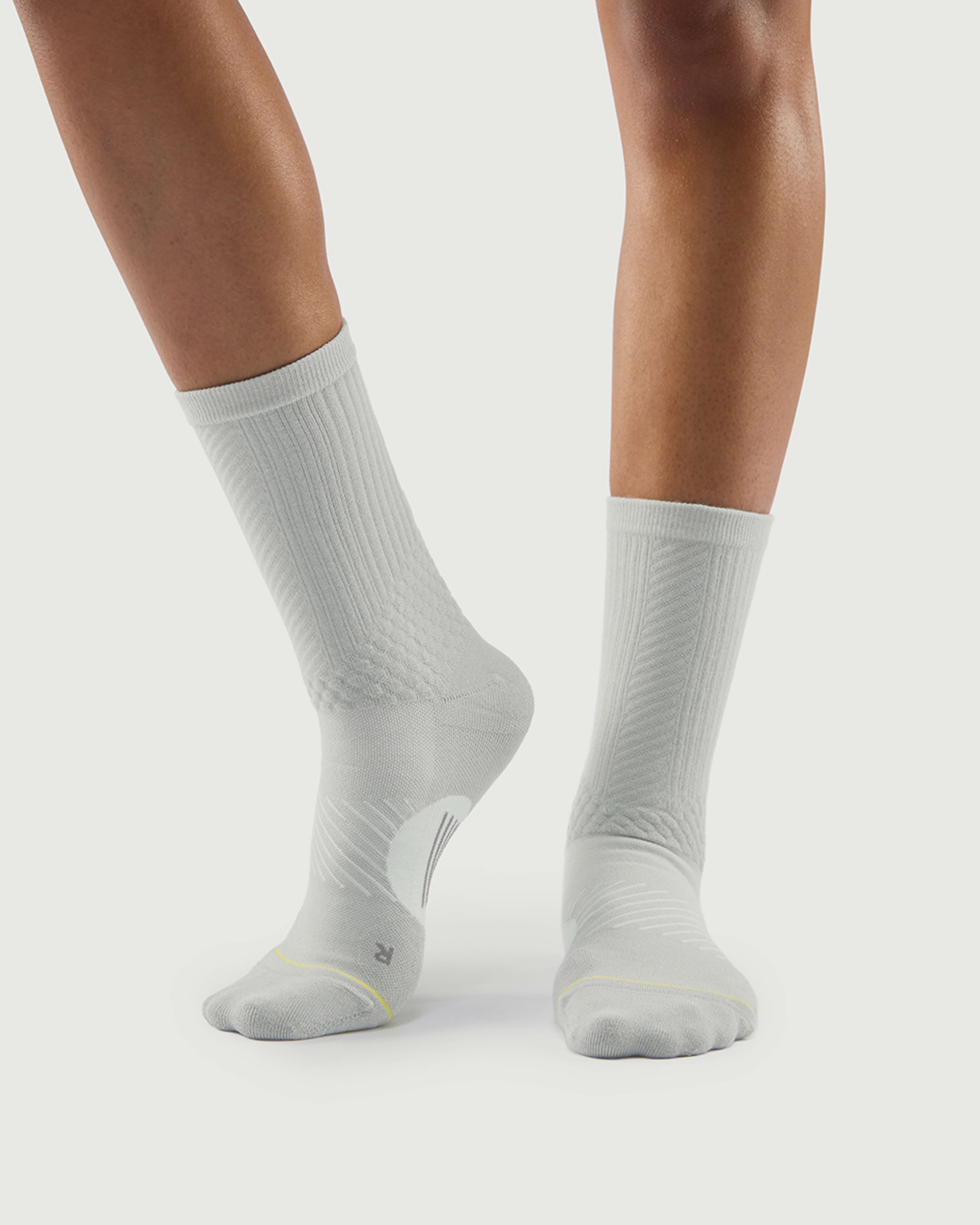
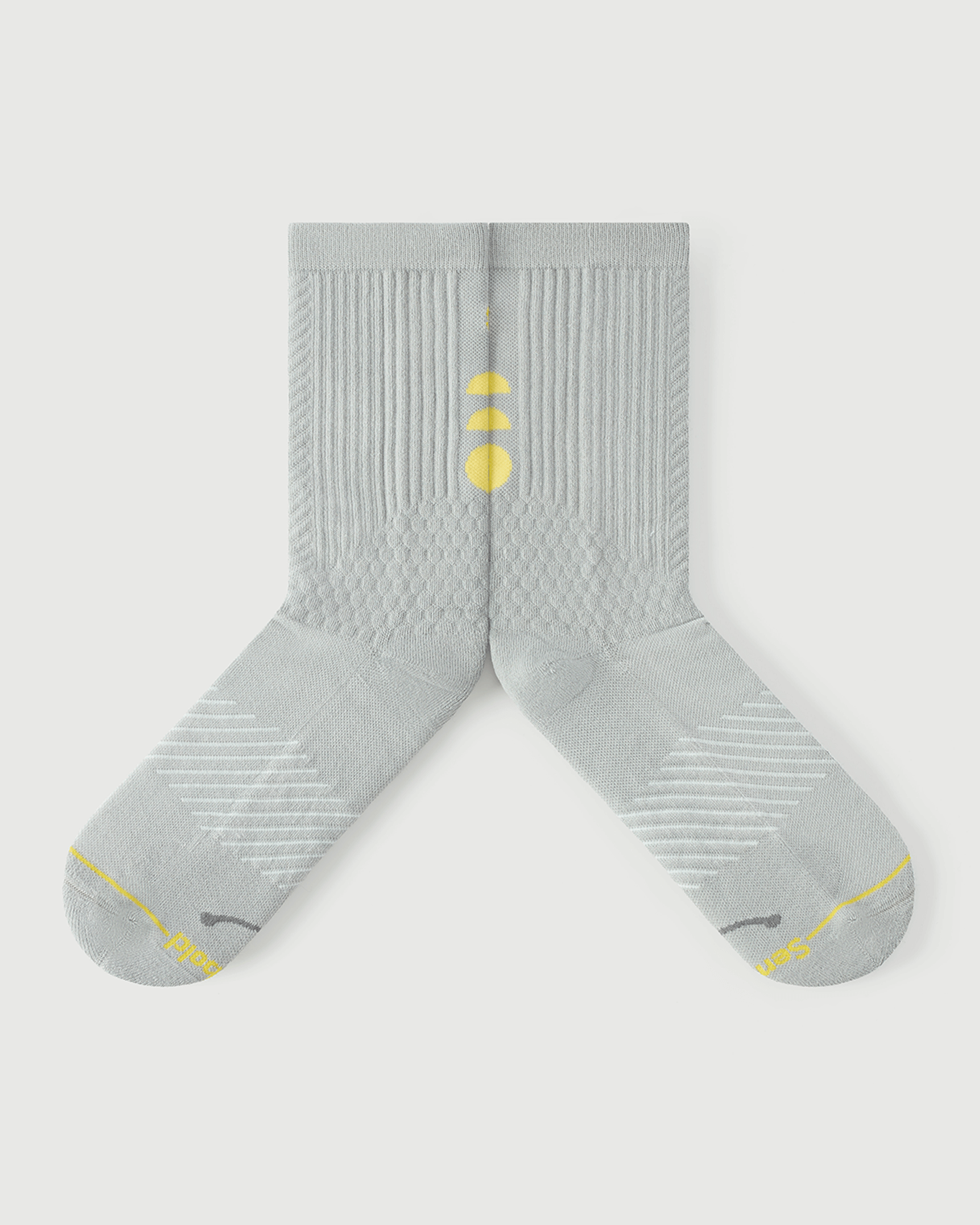
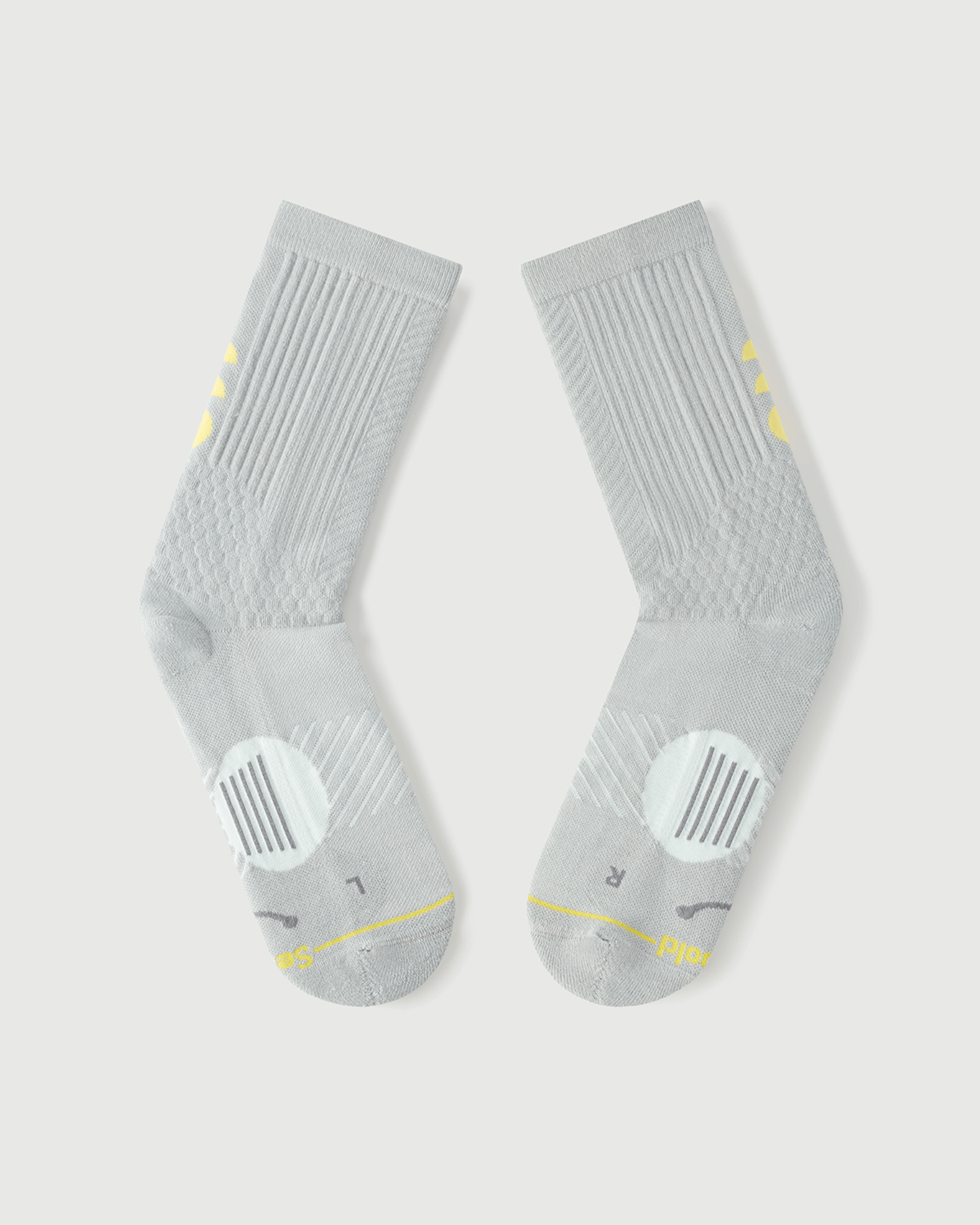
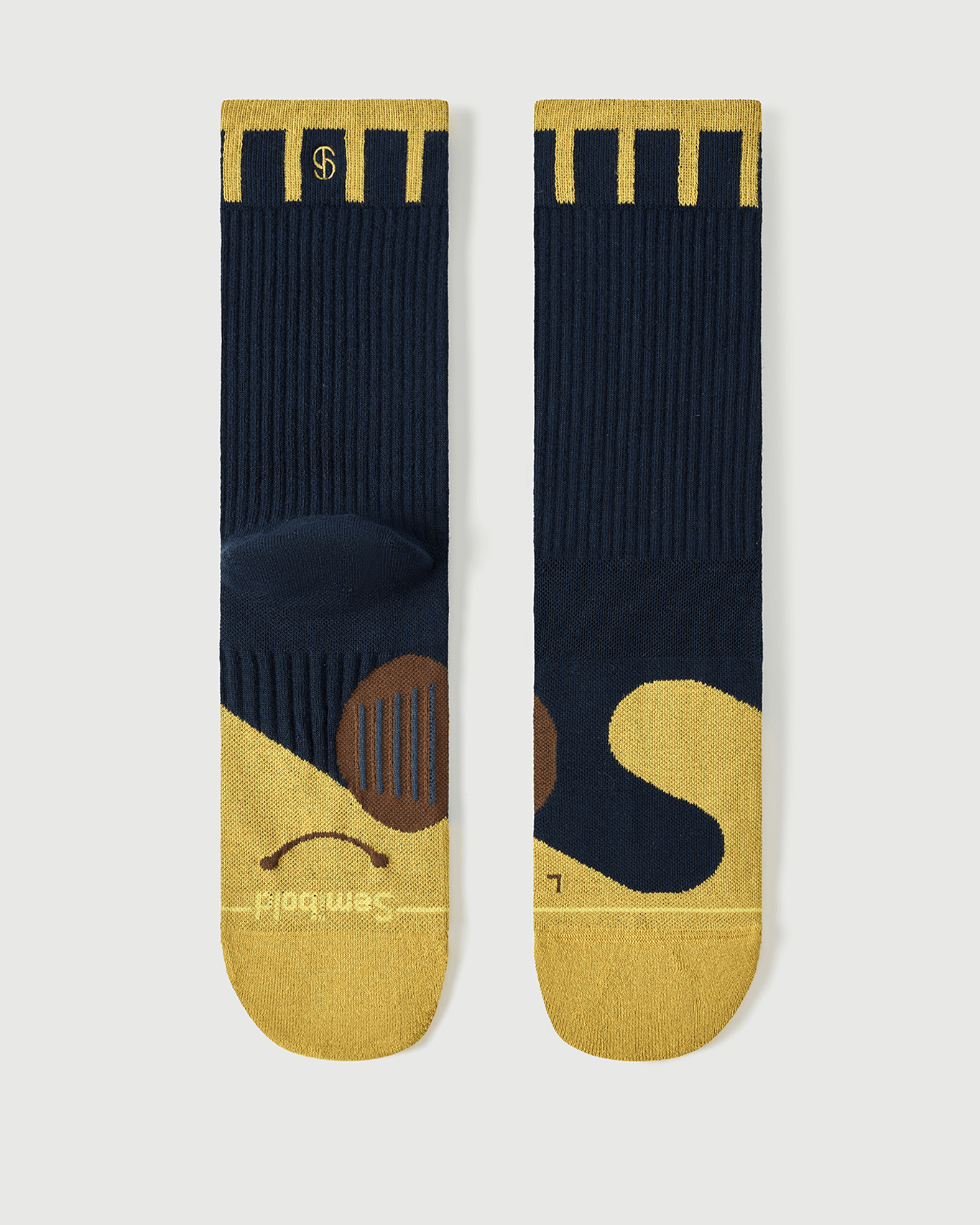
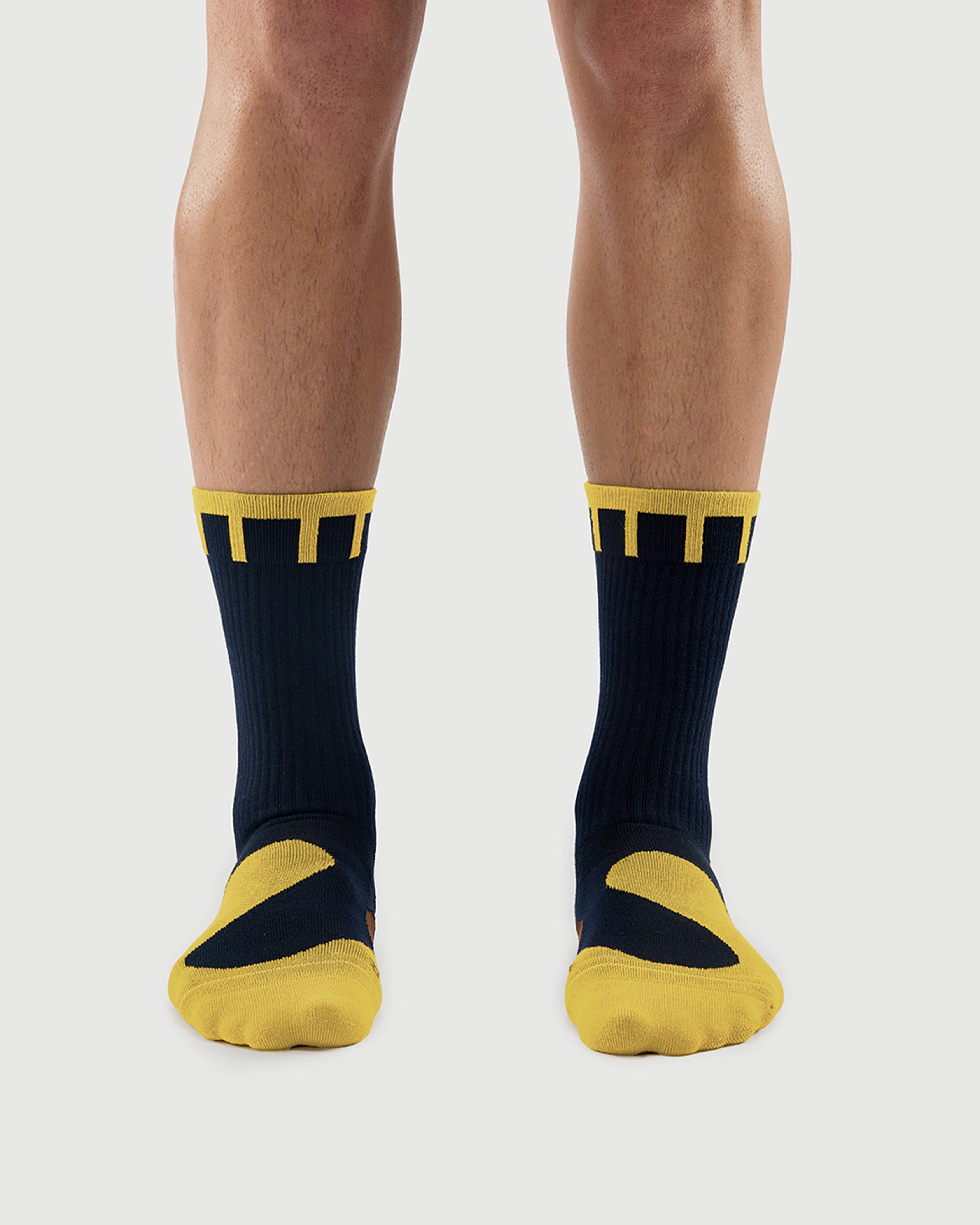
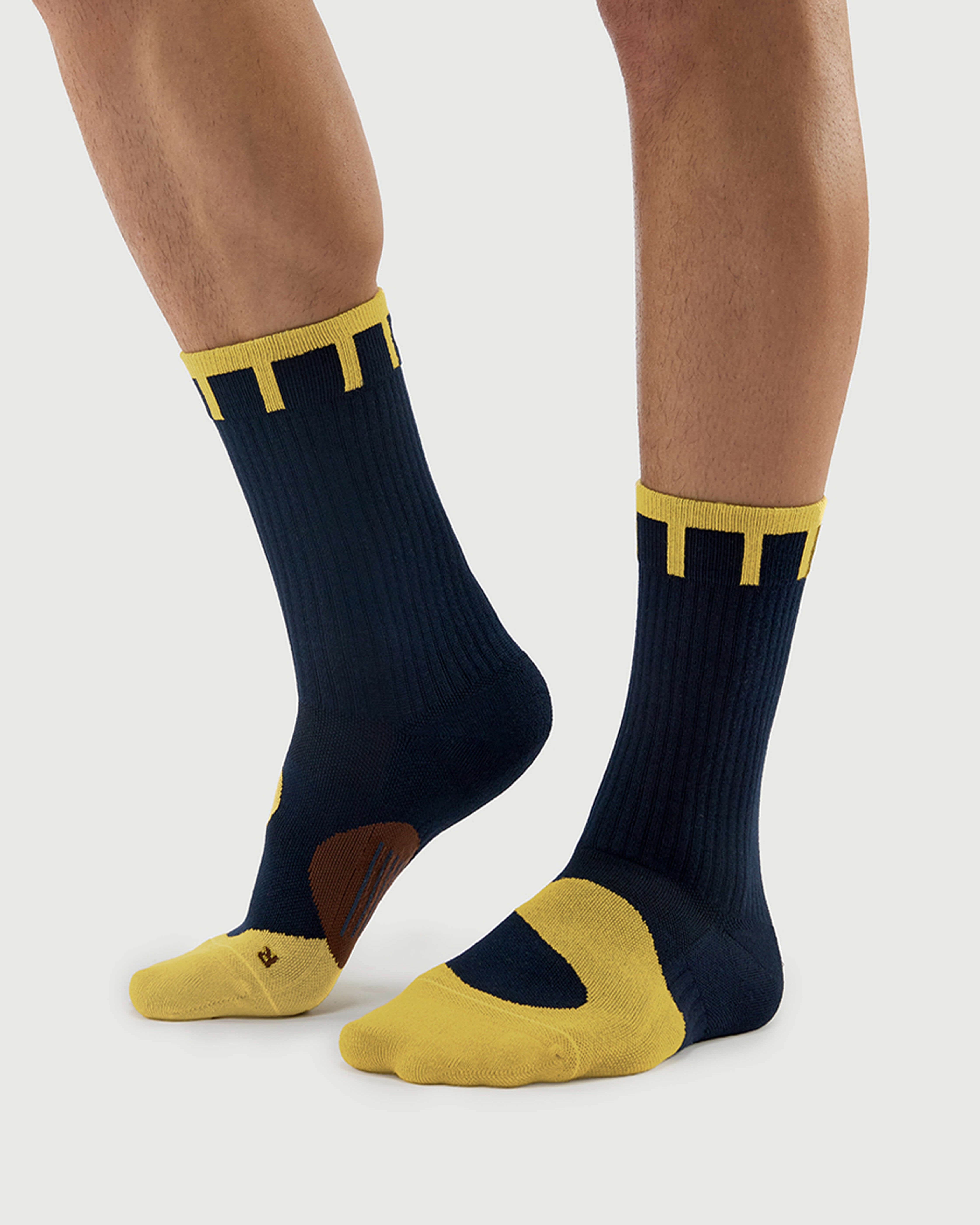
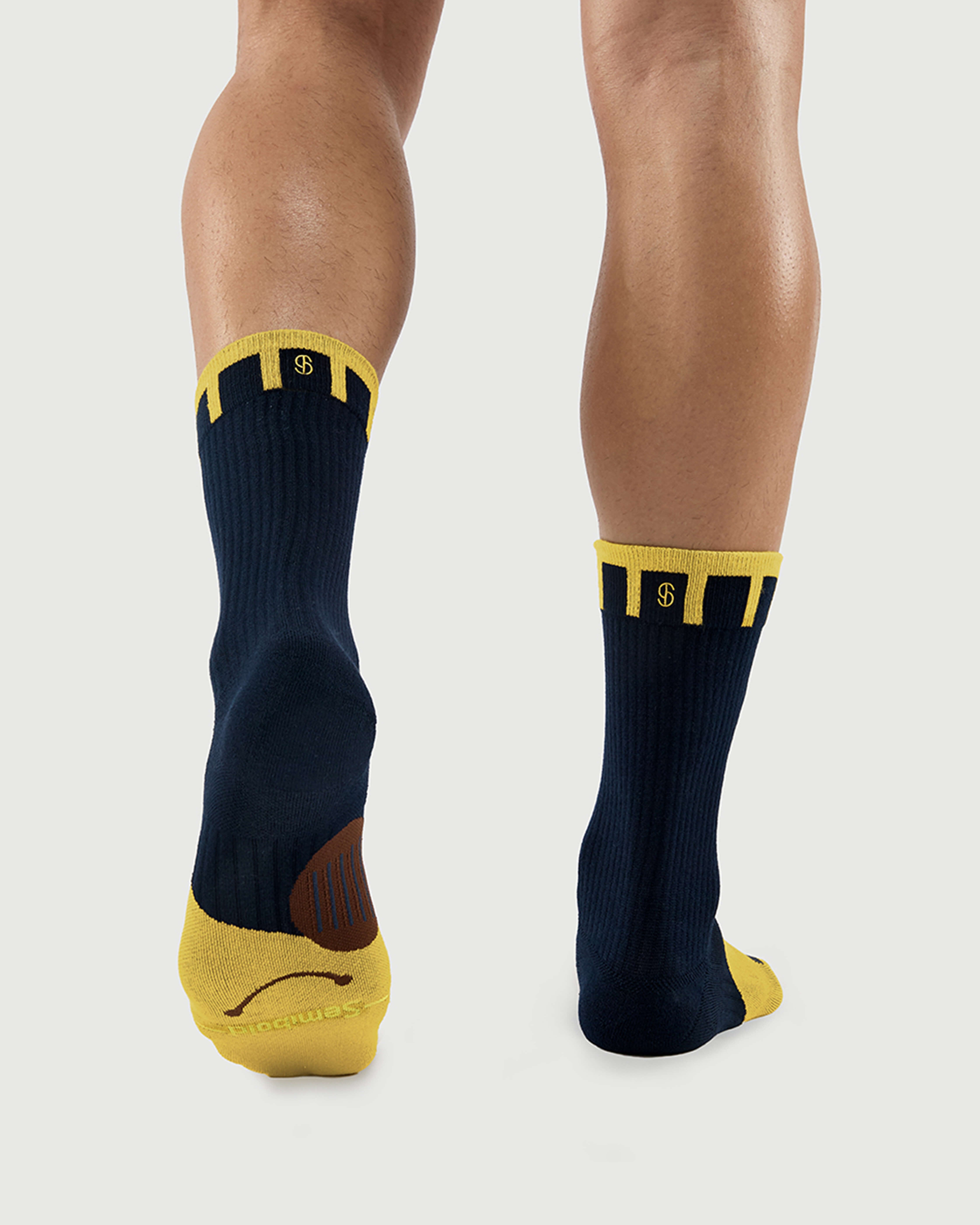
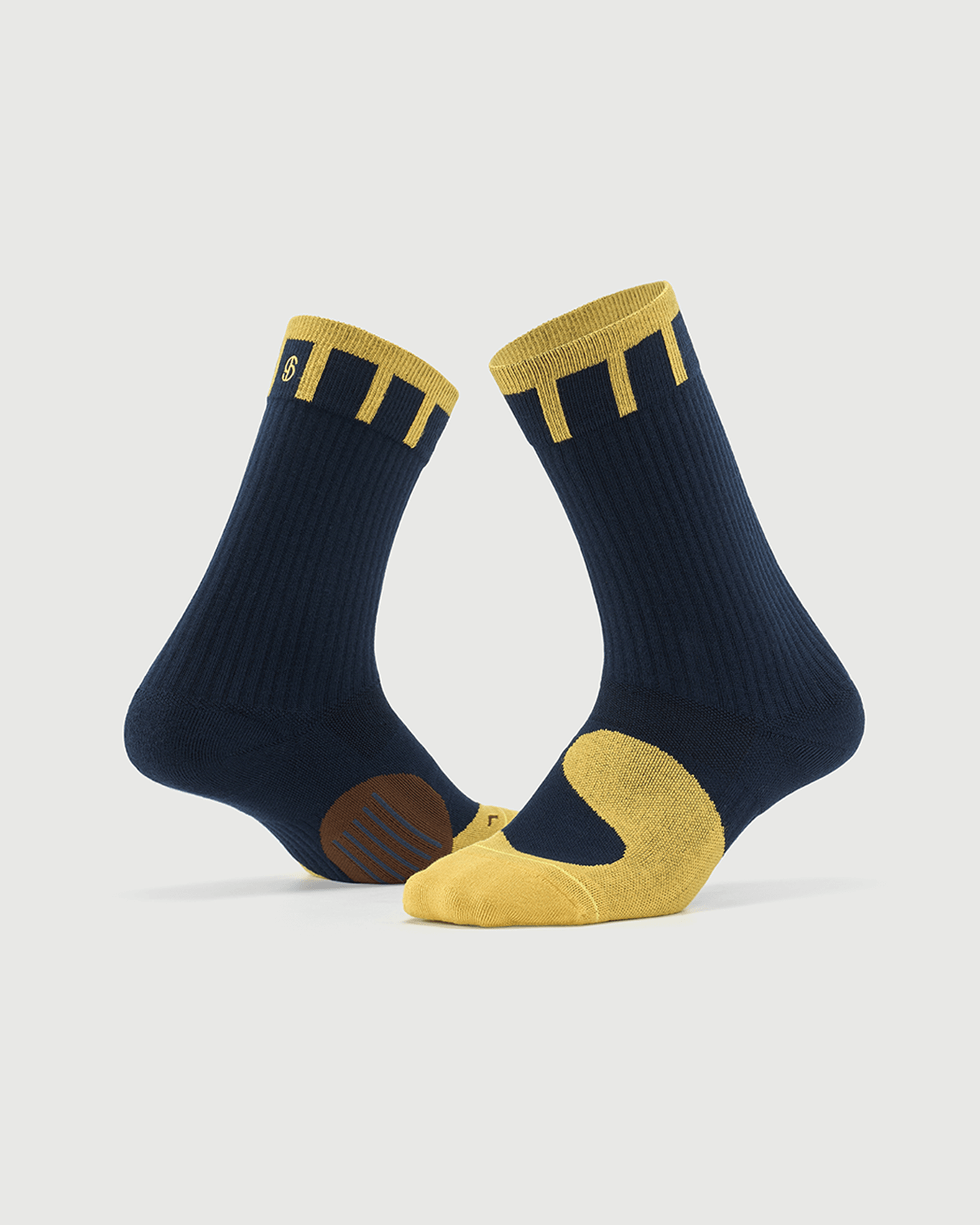
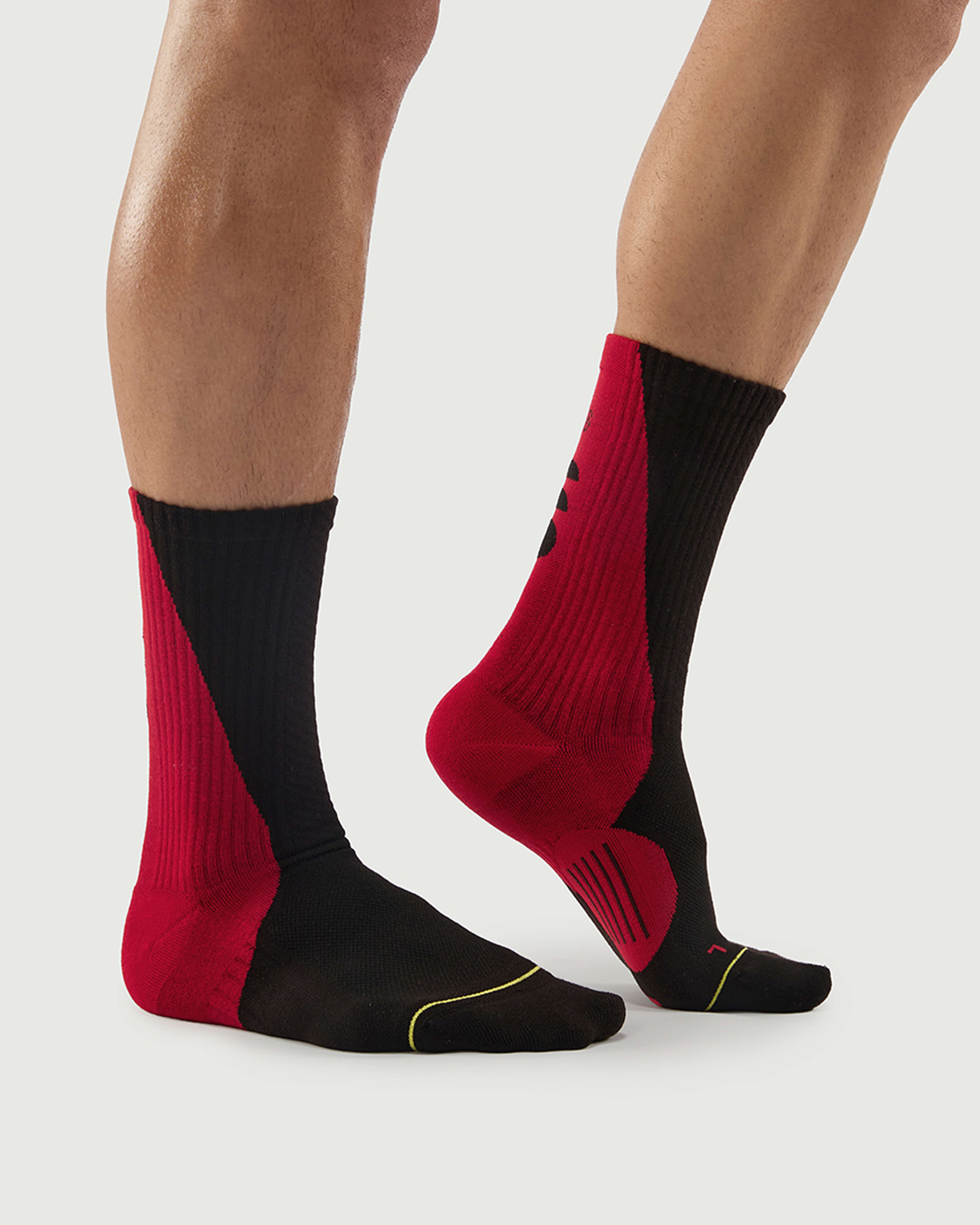
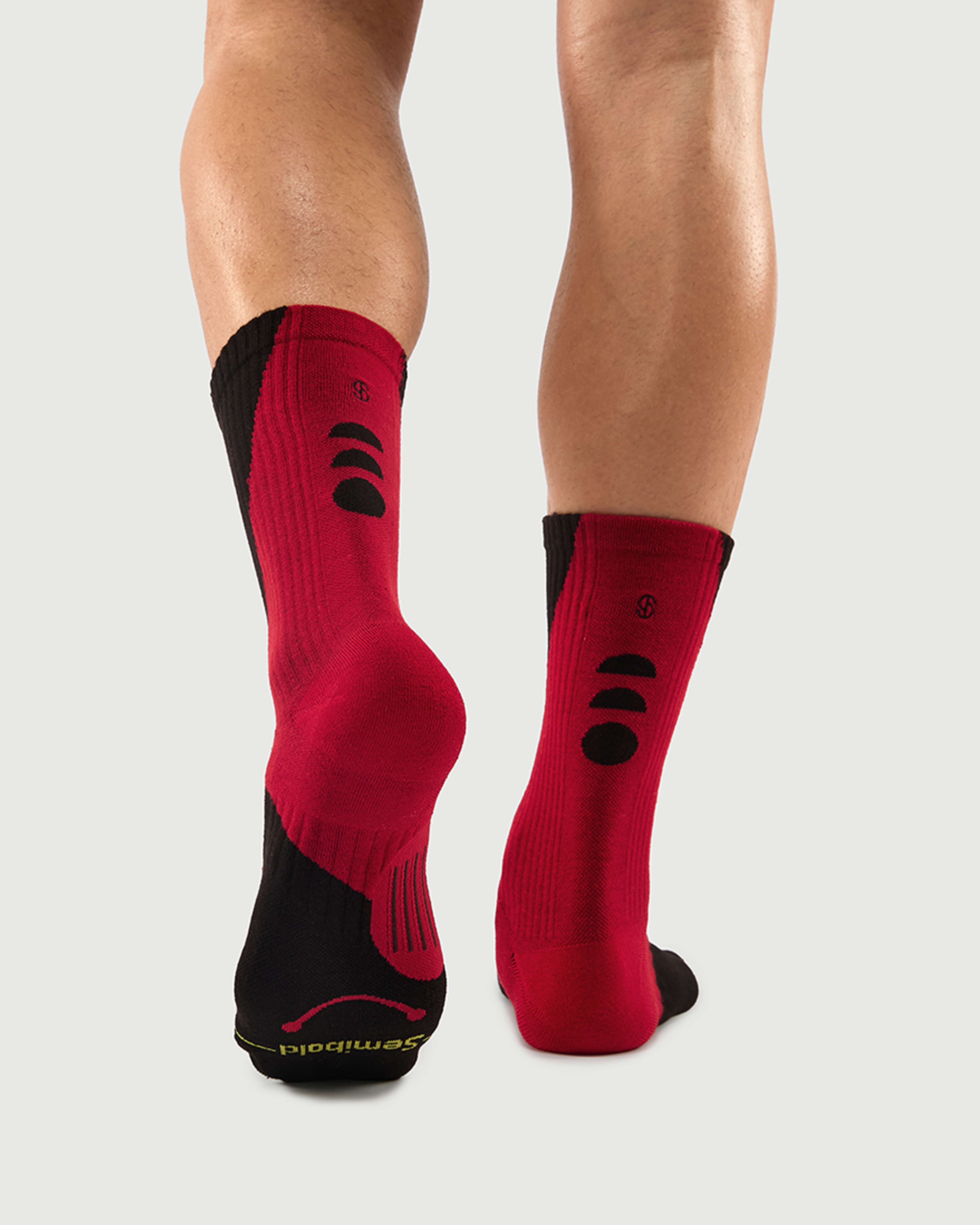
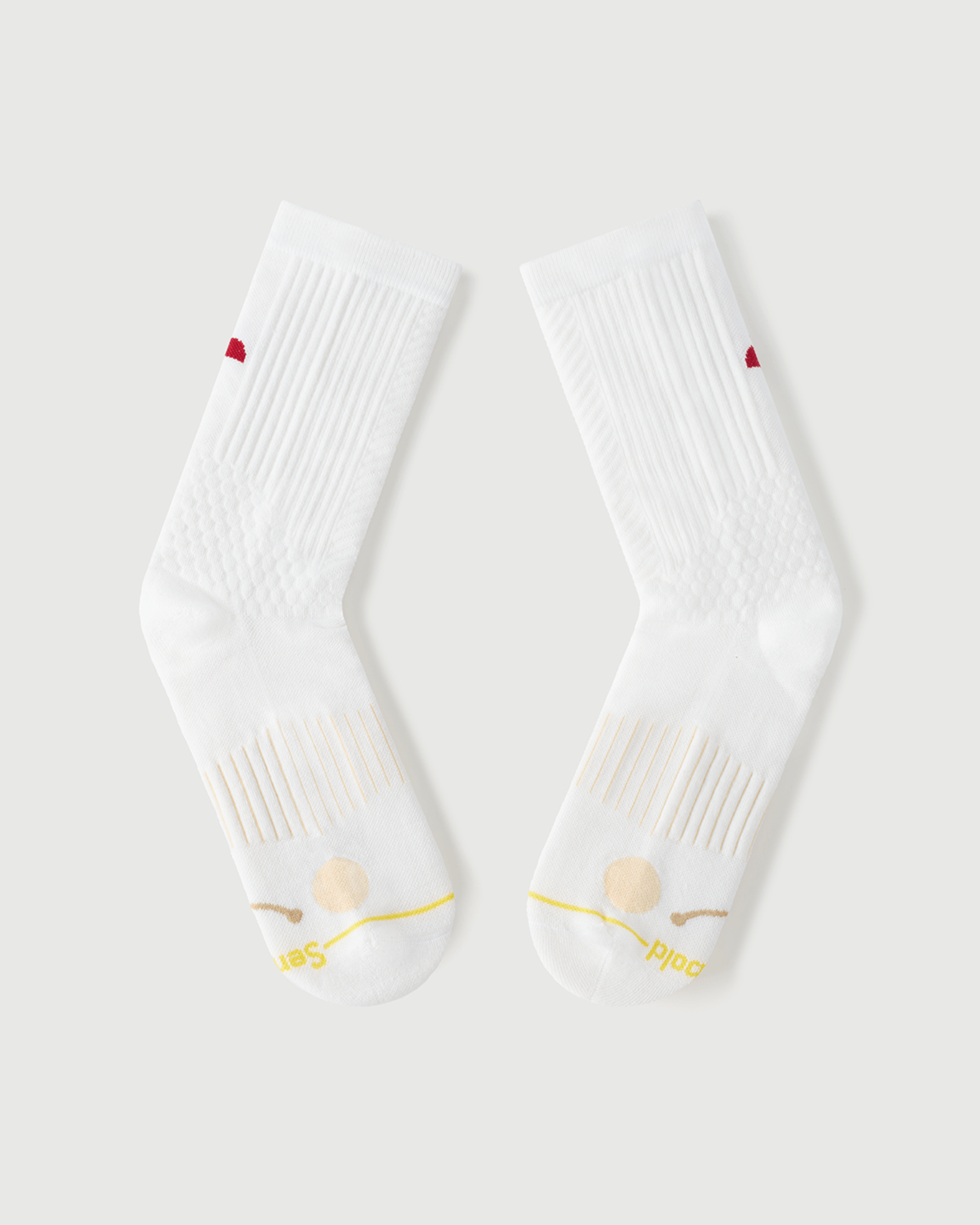
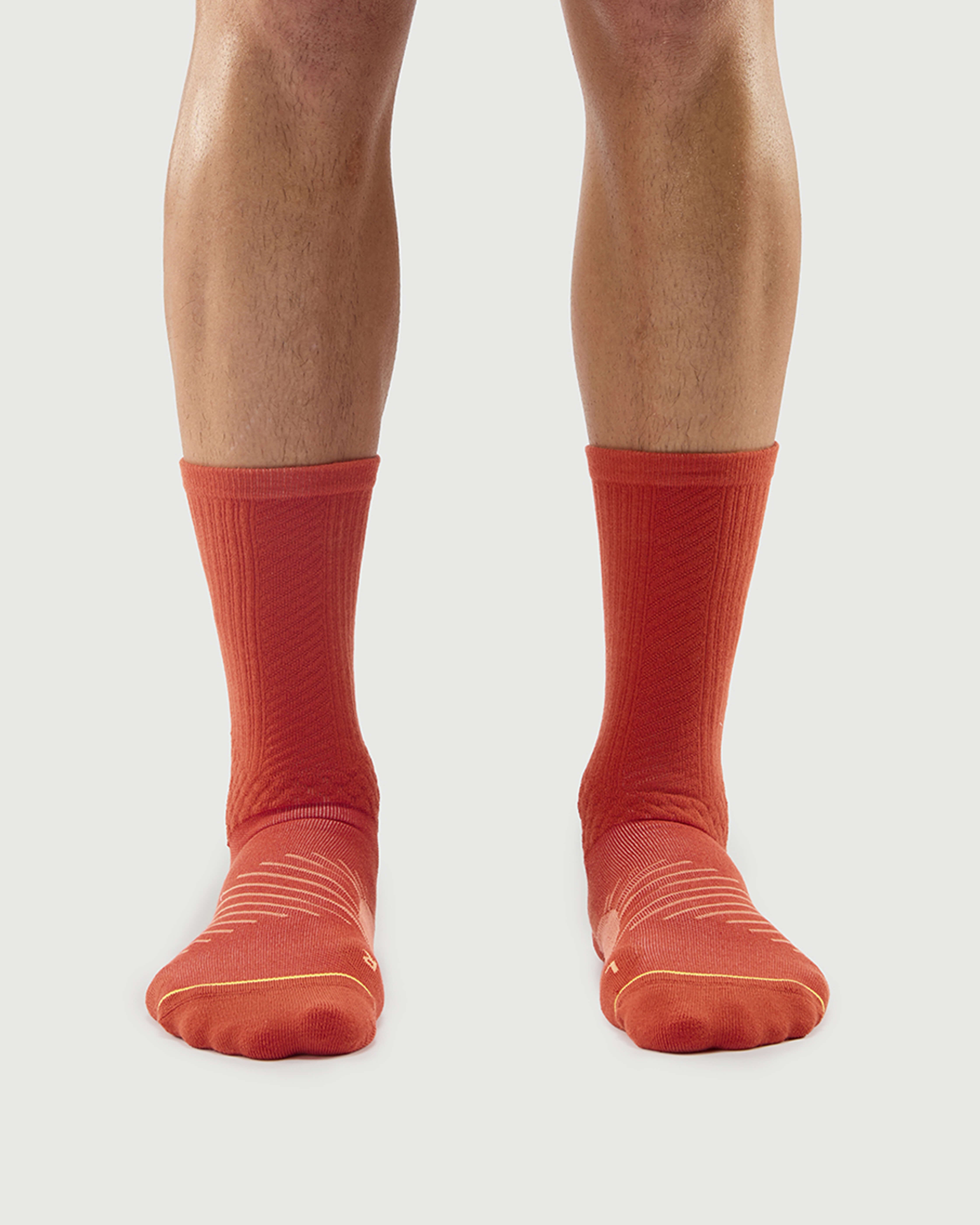
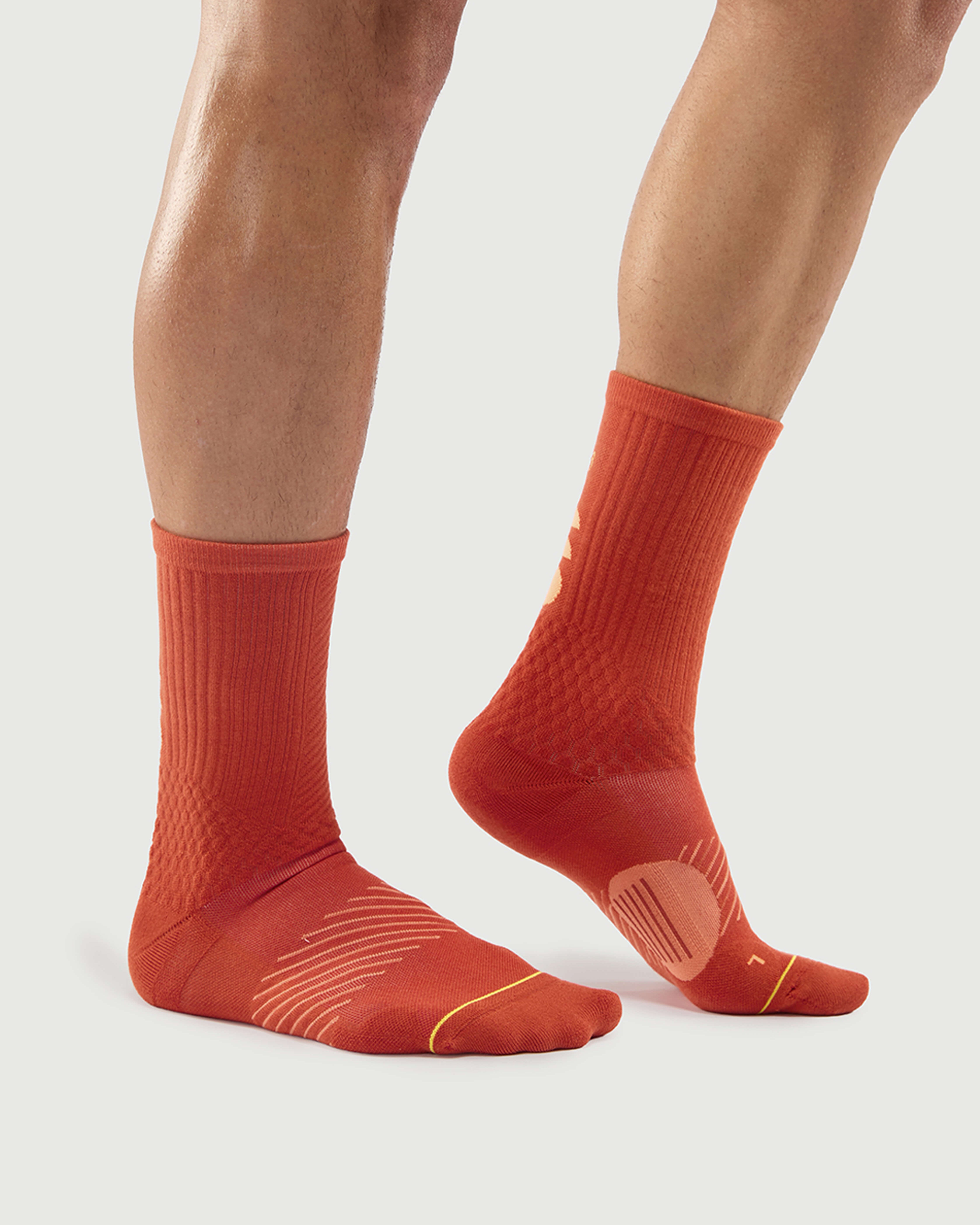
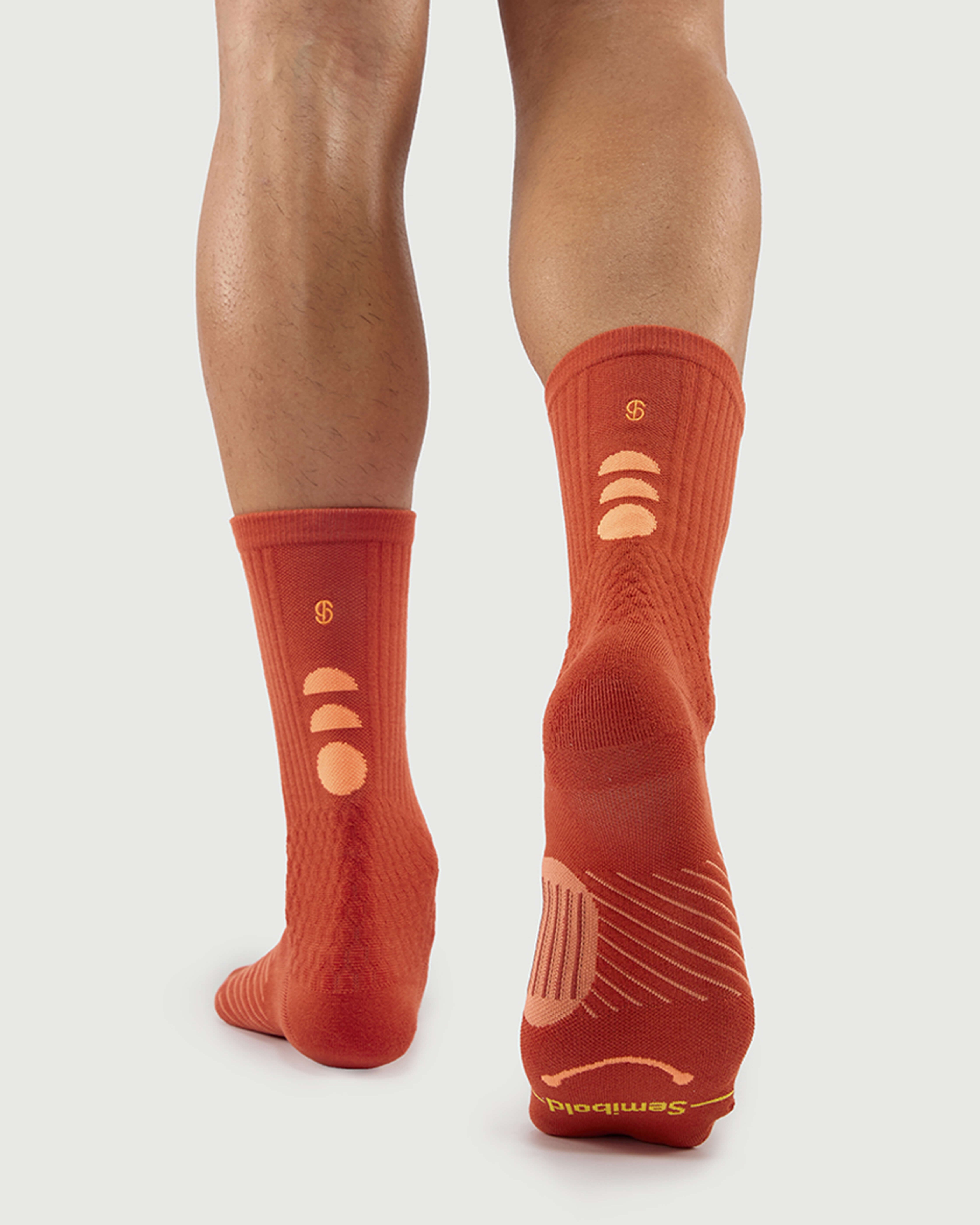
Graduated compression socks designed to support circulation, reduce fatigue, and improve comfort during movement, travel,recovery, and long hours on your feet.

What Is Graduated Compression?
Graduated compression applies measured pressure zones along the lower leg:
- Support healthy circulation
- Reduce muscle vibration
- Minimize fatigue during prolonged activity

Why It Matters for Movement
During extended movement or long periods of standing:
- Blood can pool in the lower legs
- Muscle vibration increases fatigue
- Swelling may occur
Graduated compression provides structured support that helps maintain circulation and stability during activity.
Best For

Long-distance running

Hiking & outdoor

Travel & long flights

Long hours standing

Recovery days
Feels
For most people, moderate graduated compression provides the best balance of support and comfort.

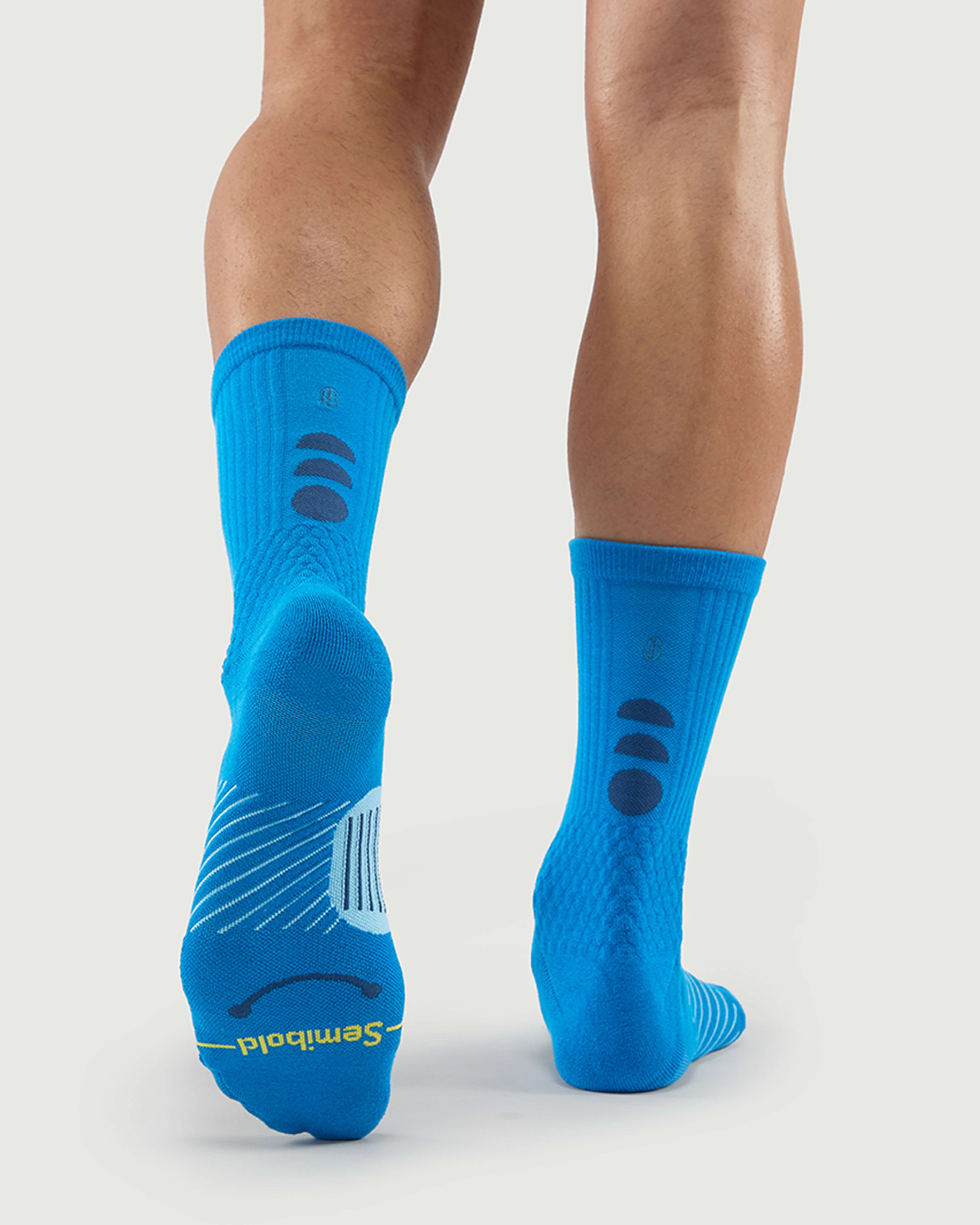
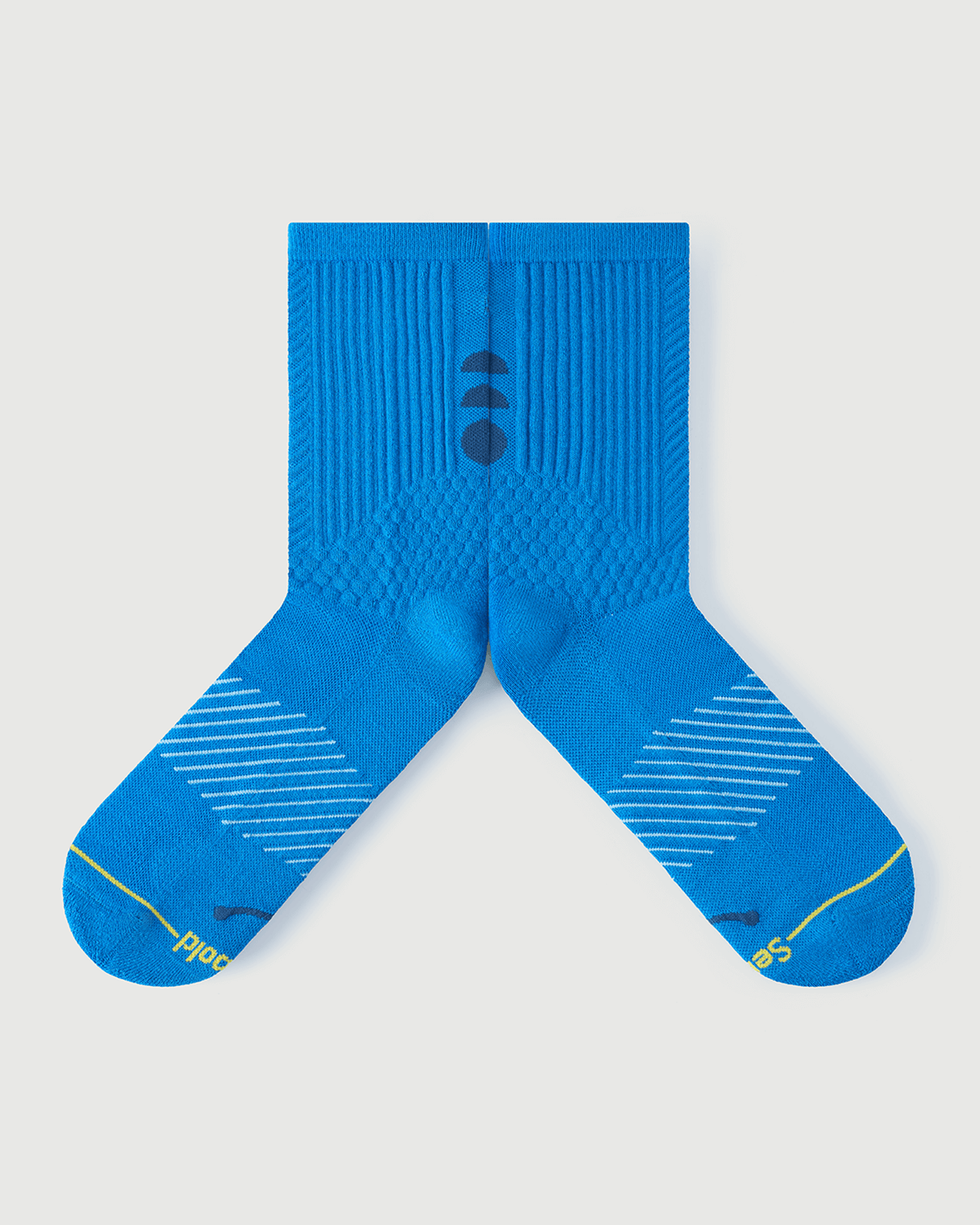
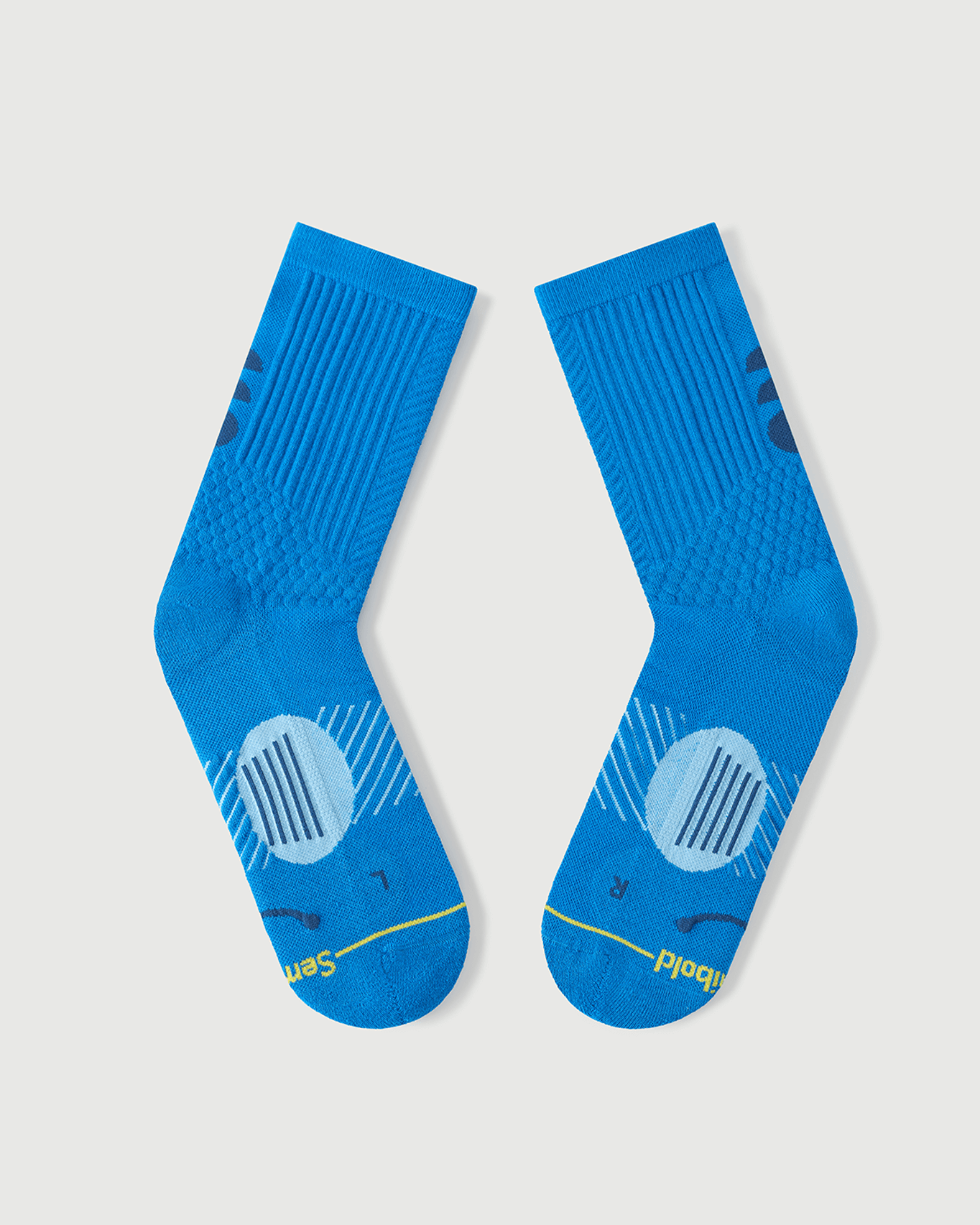
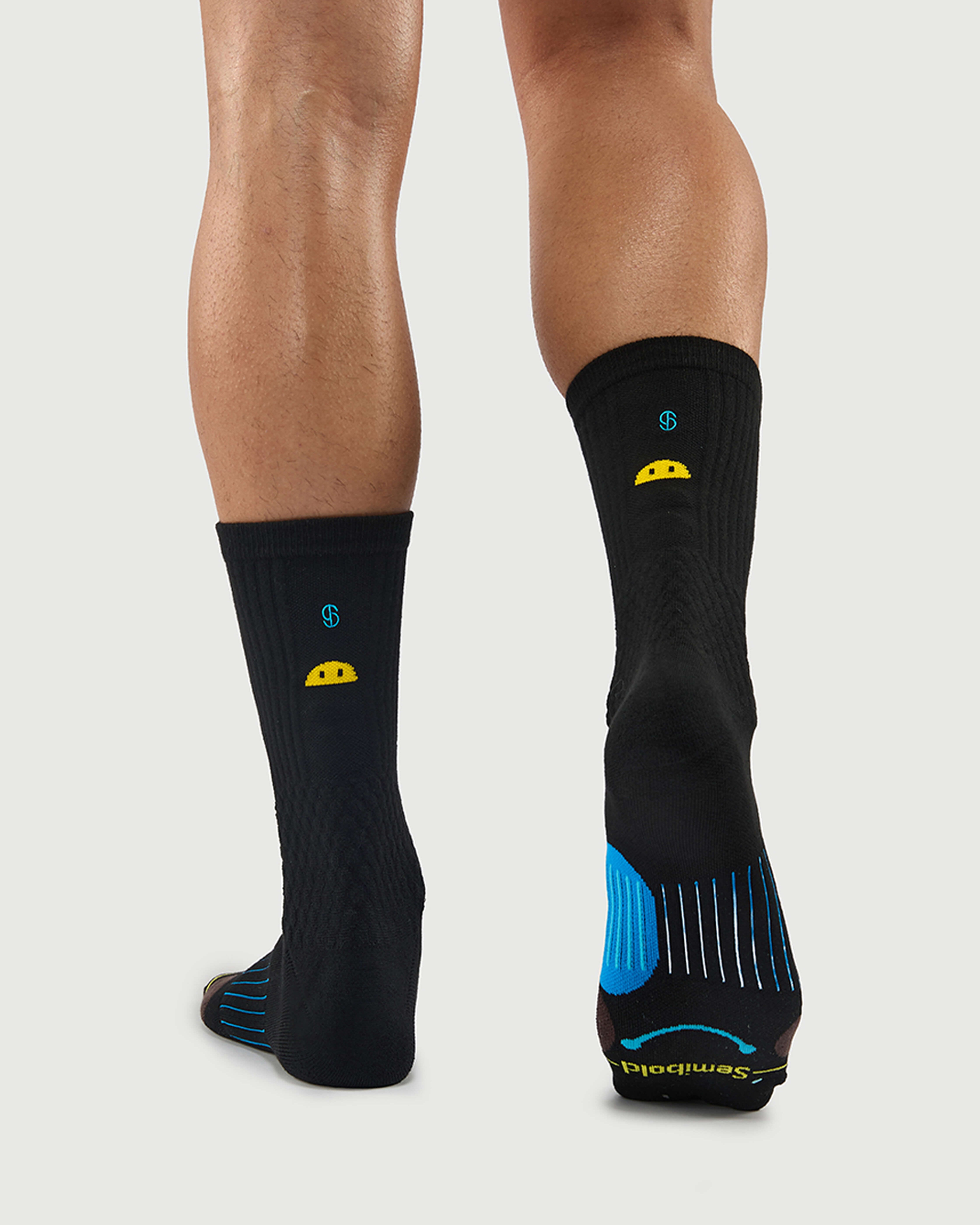
Firm support at the ankle
20 mmHg ankle

Secure hold around the calf
15 mmHg calf

Stable compression without limiting movement
10 mmHg upper calf

Fit Is Essential
Correct sizing is critical for compression socks.
Proper compression should:

Stay securely in place

Feel supportive but comfortable
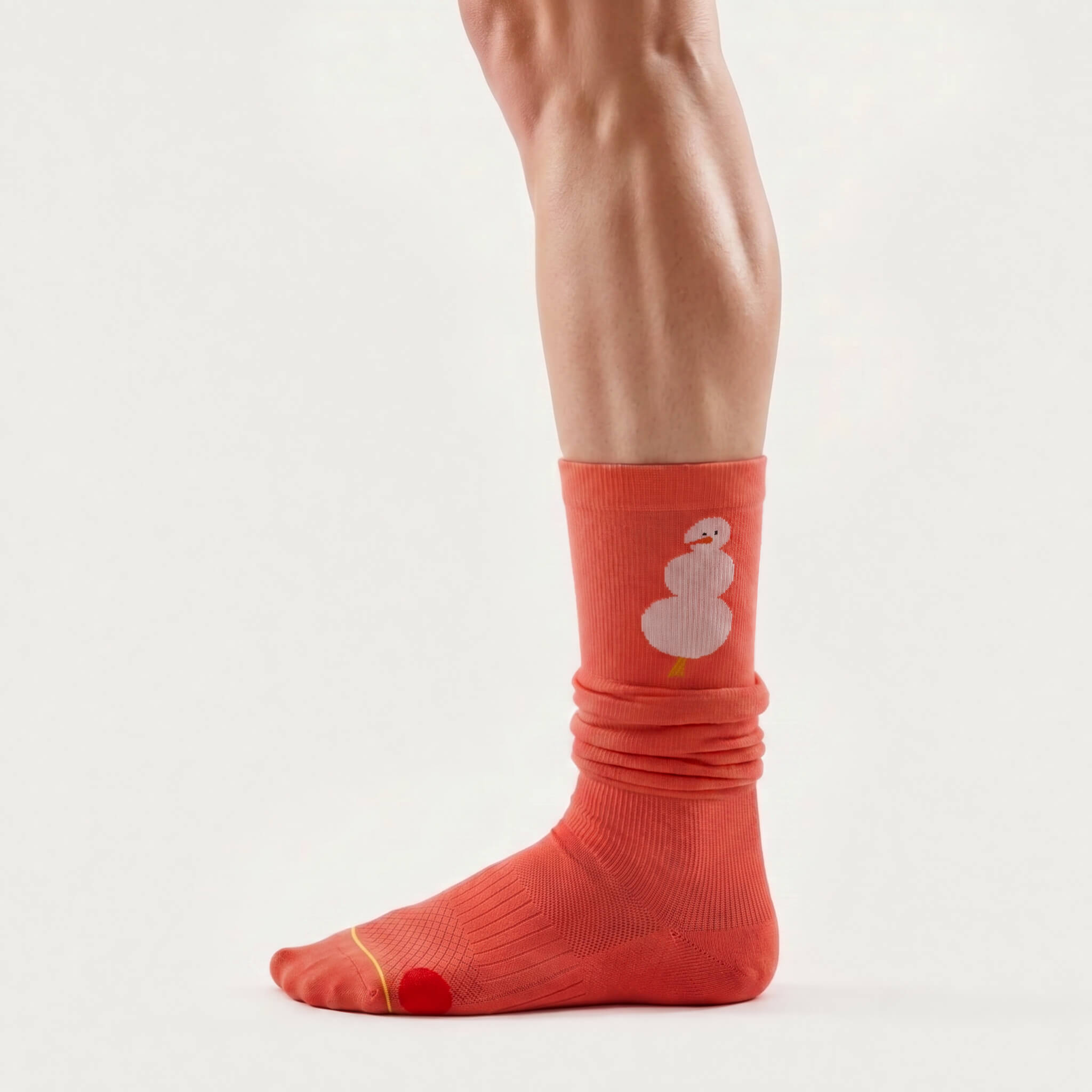
Not leave deep pressure marks

Not cause numbness or tingling
When To Wear Compression Socks
Graduated compression can be worn during different phases of movement:
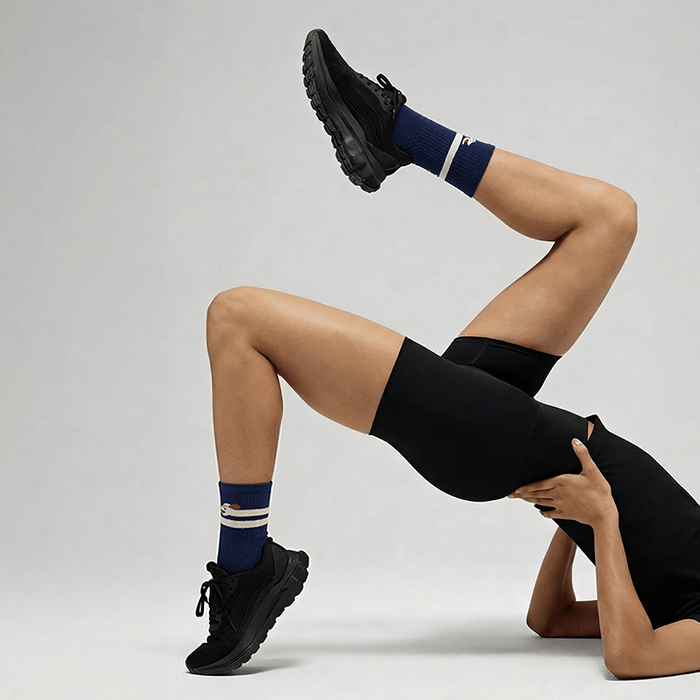
During activity
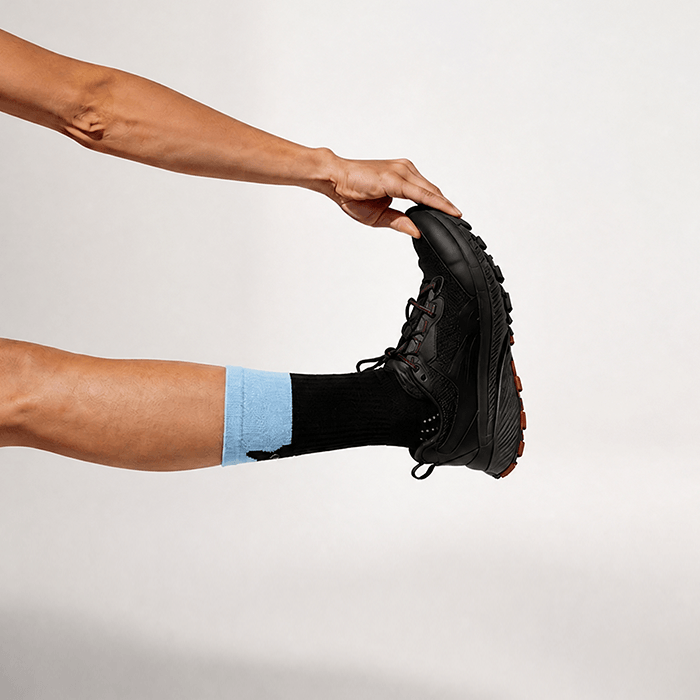
Recovery
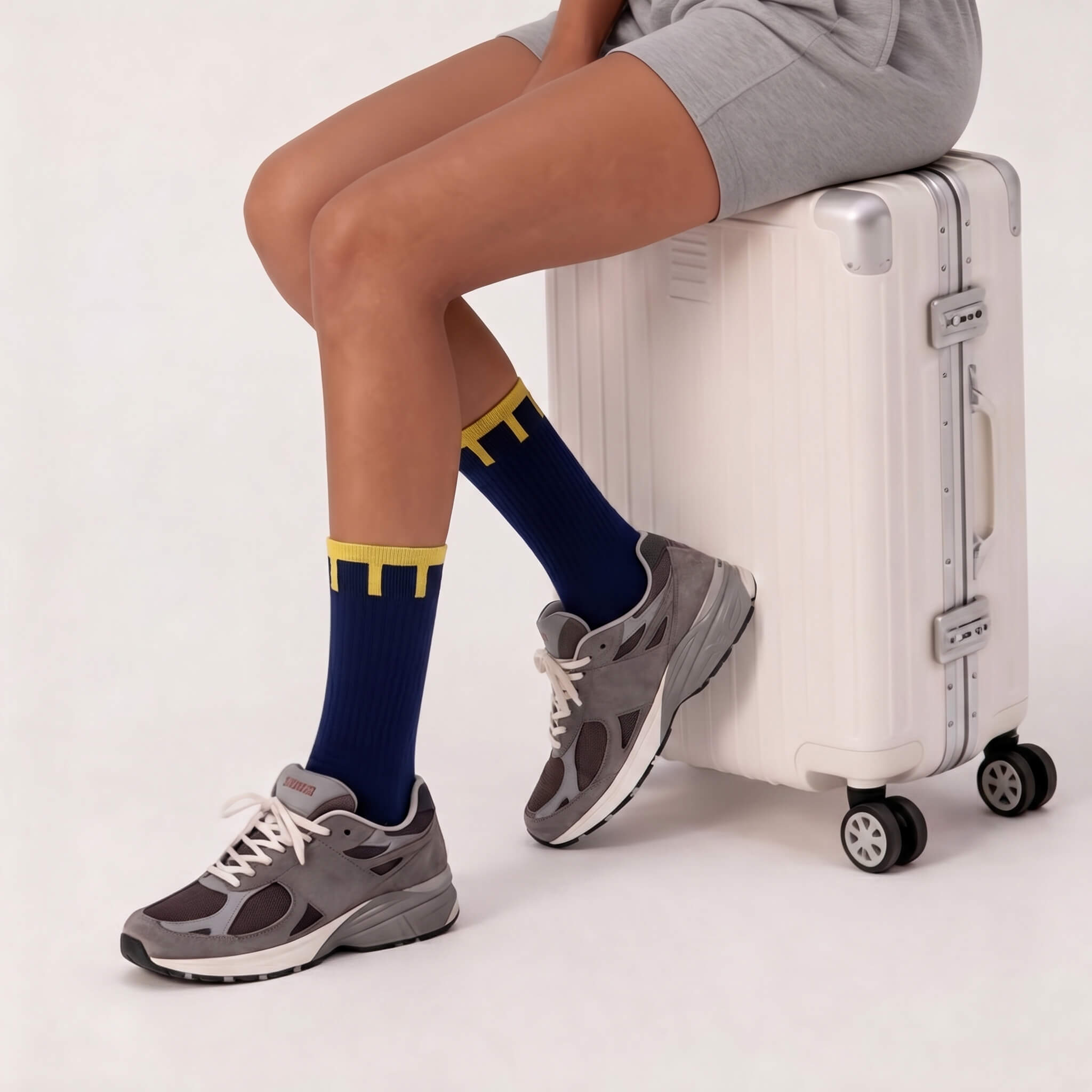
Traveling
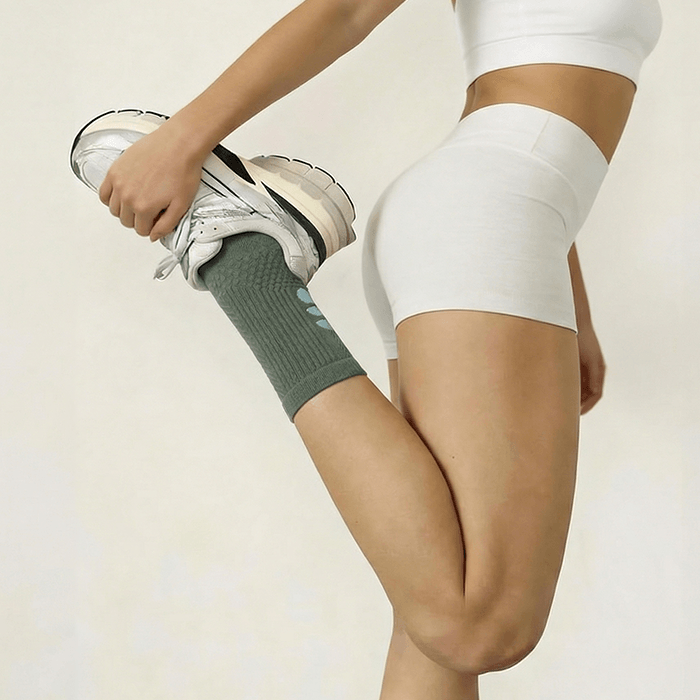
Long standing




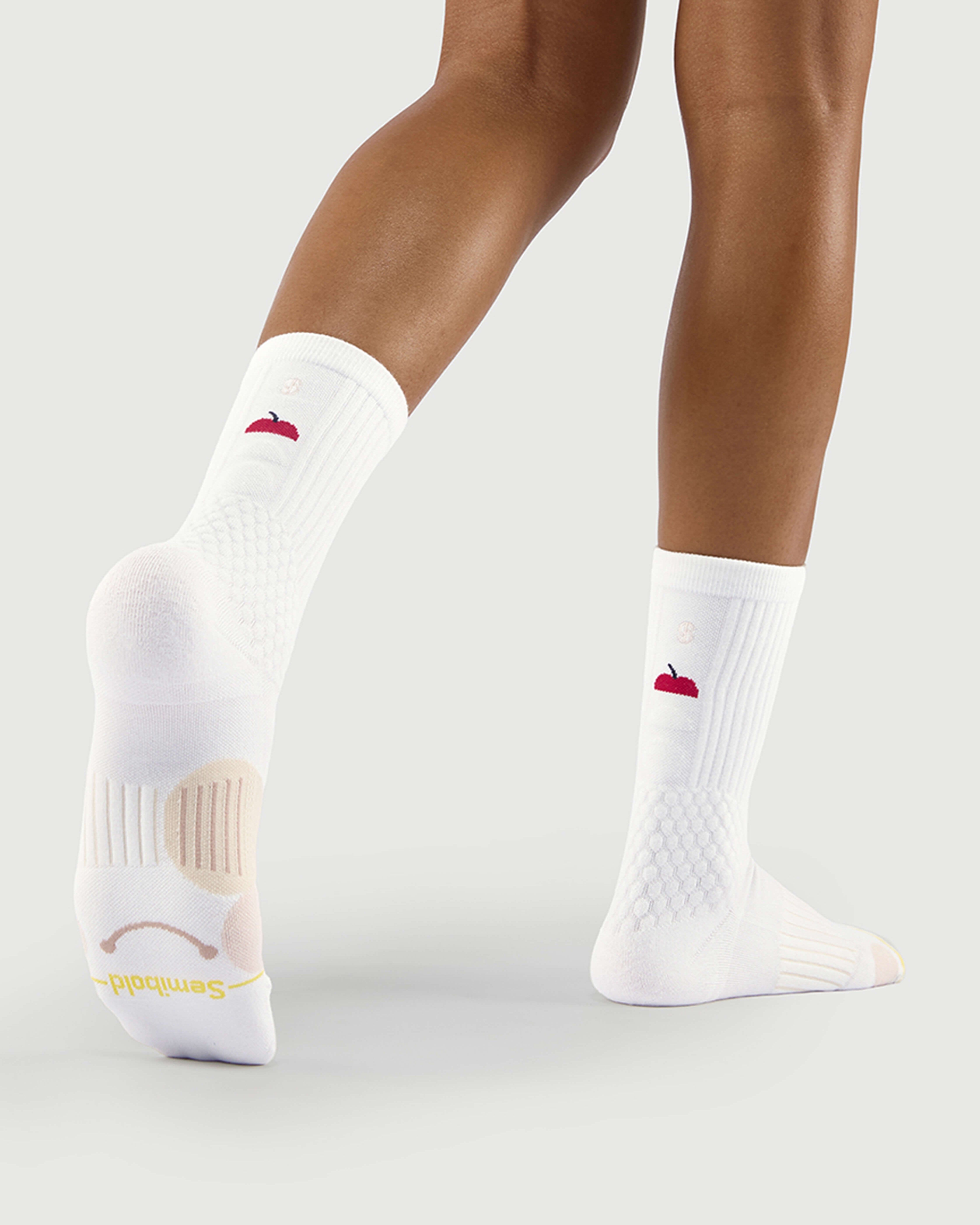
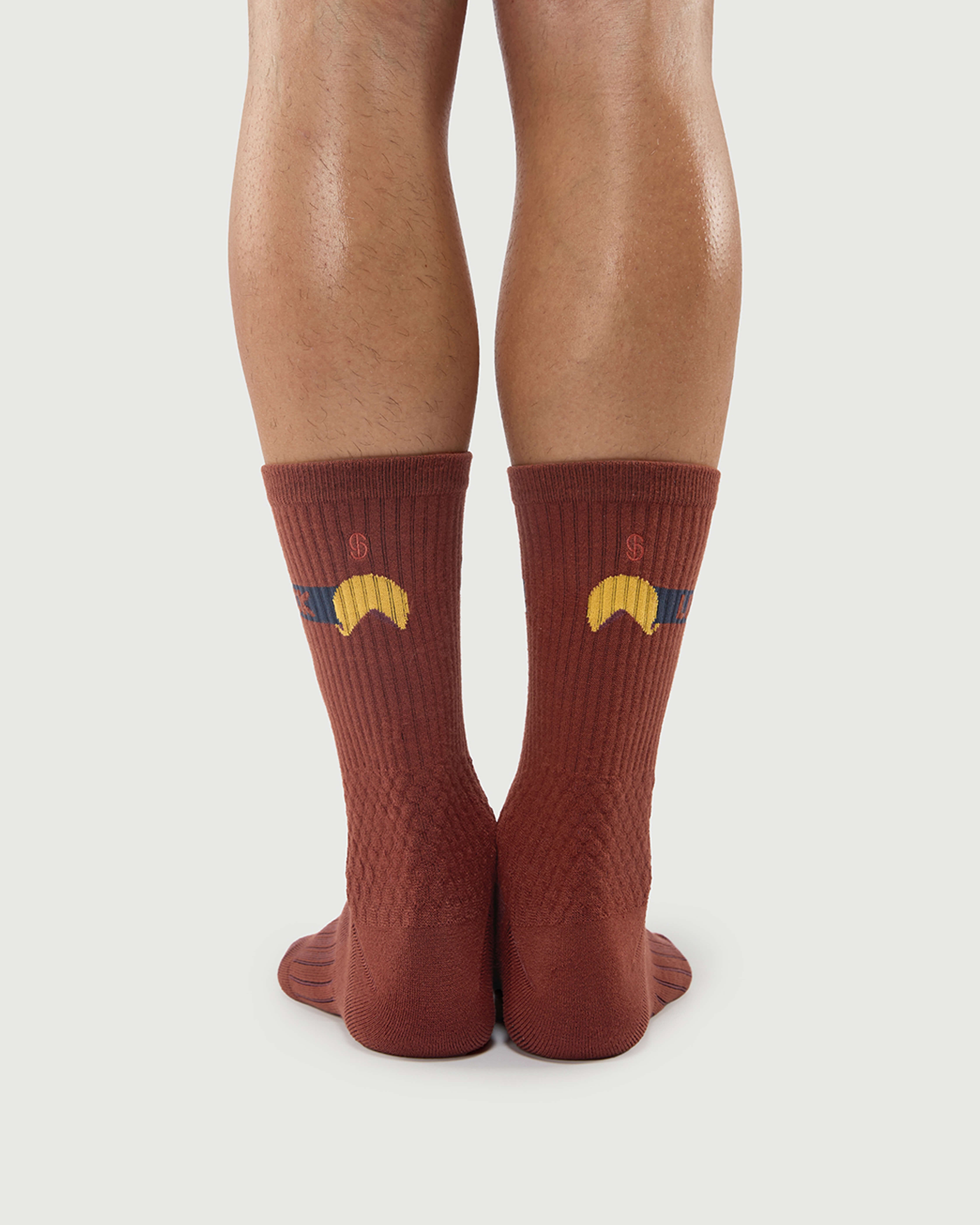
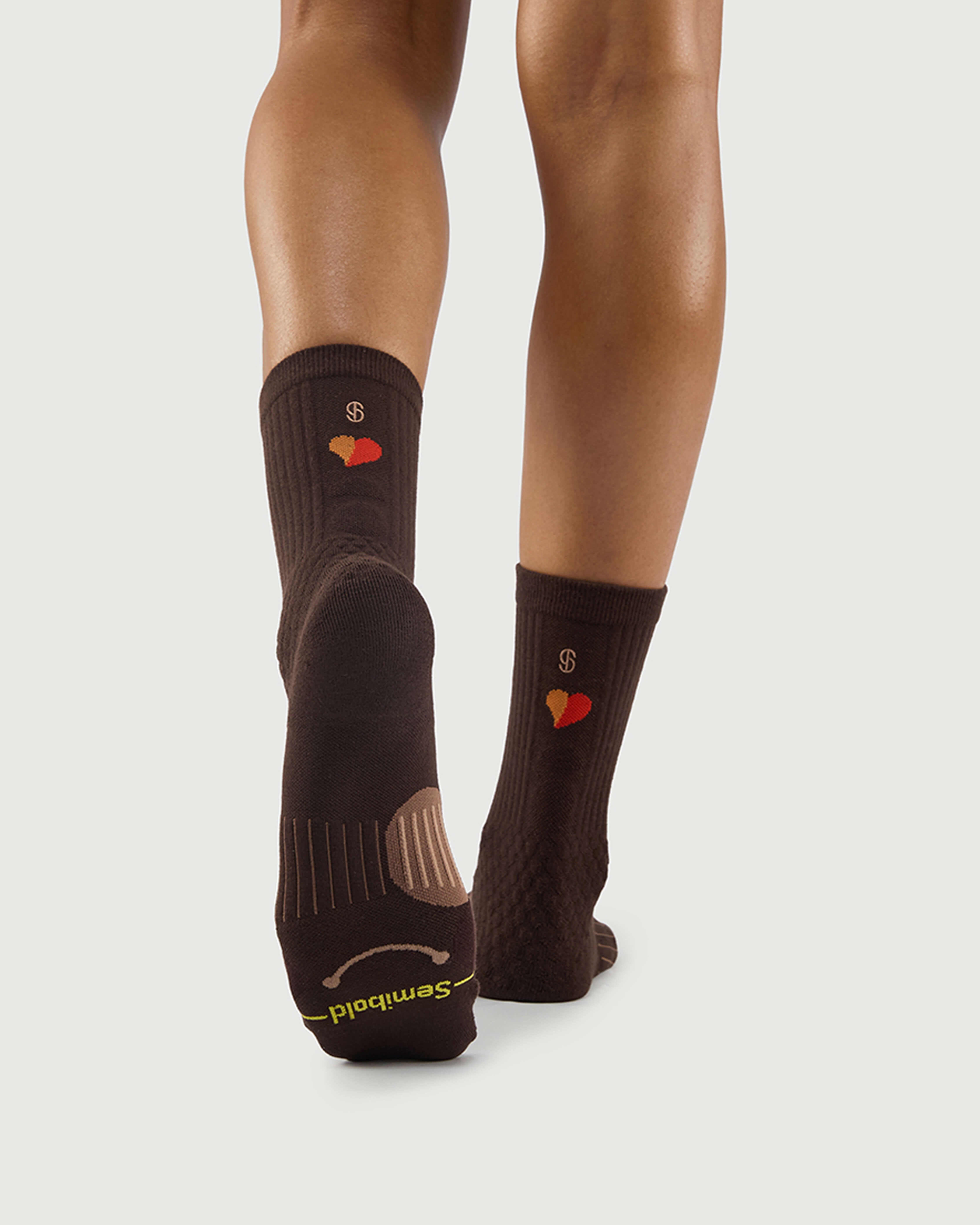
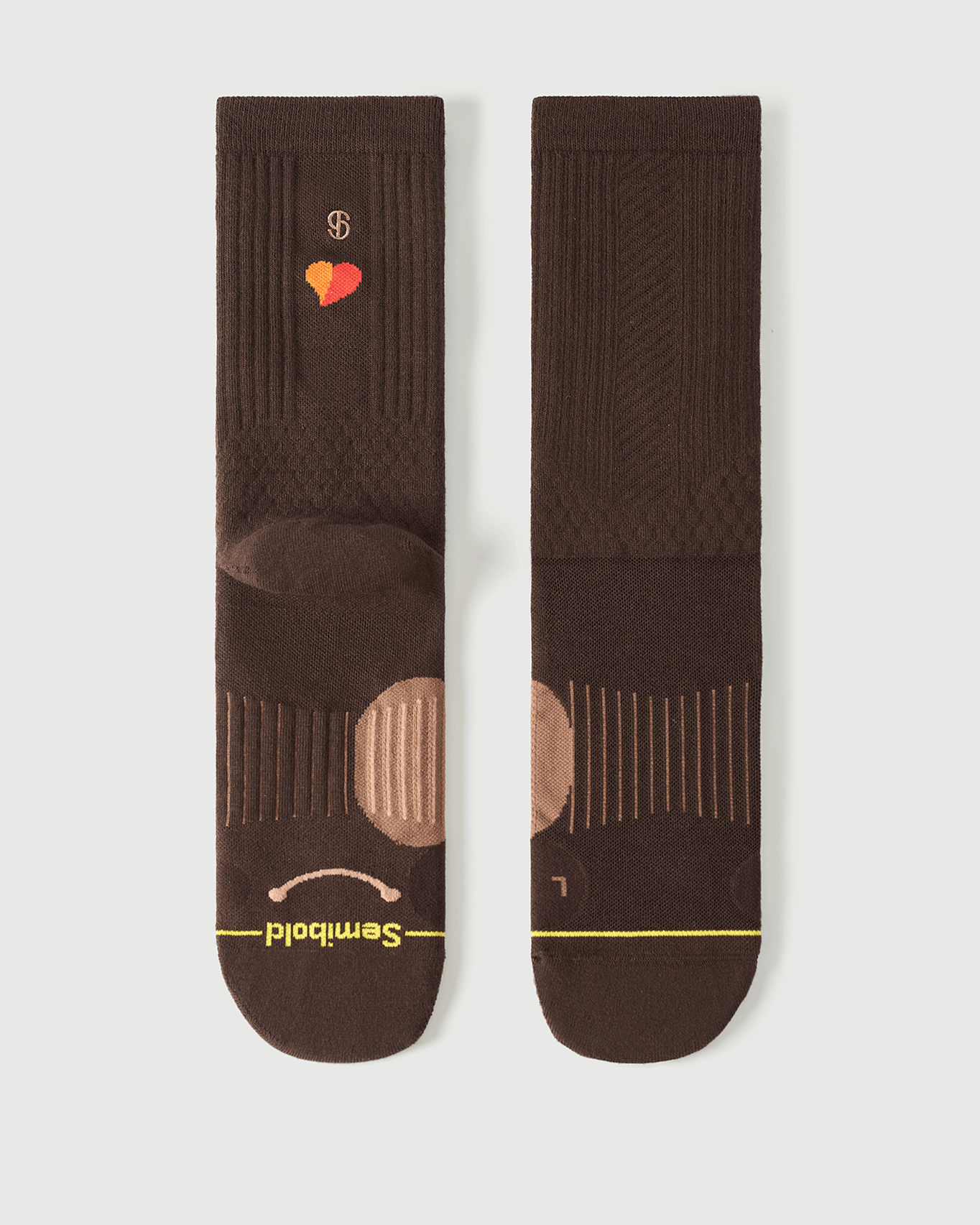

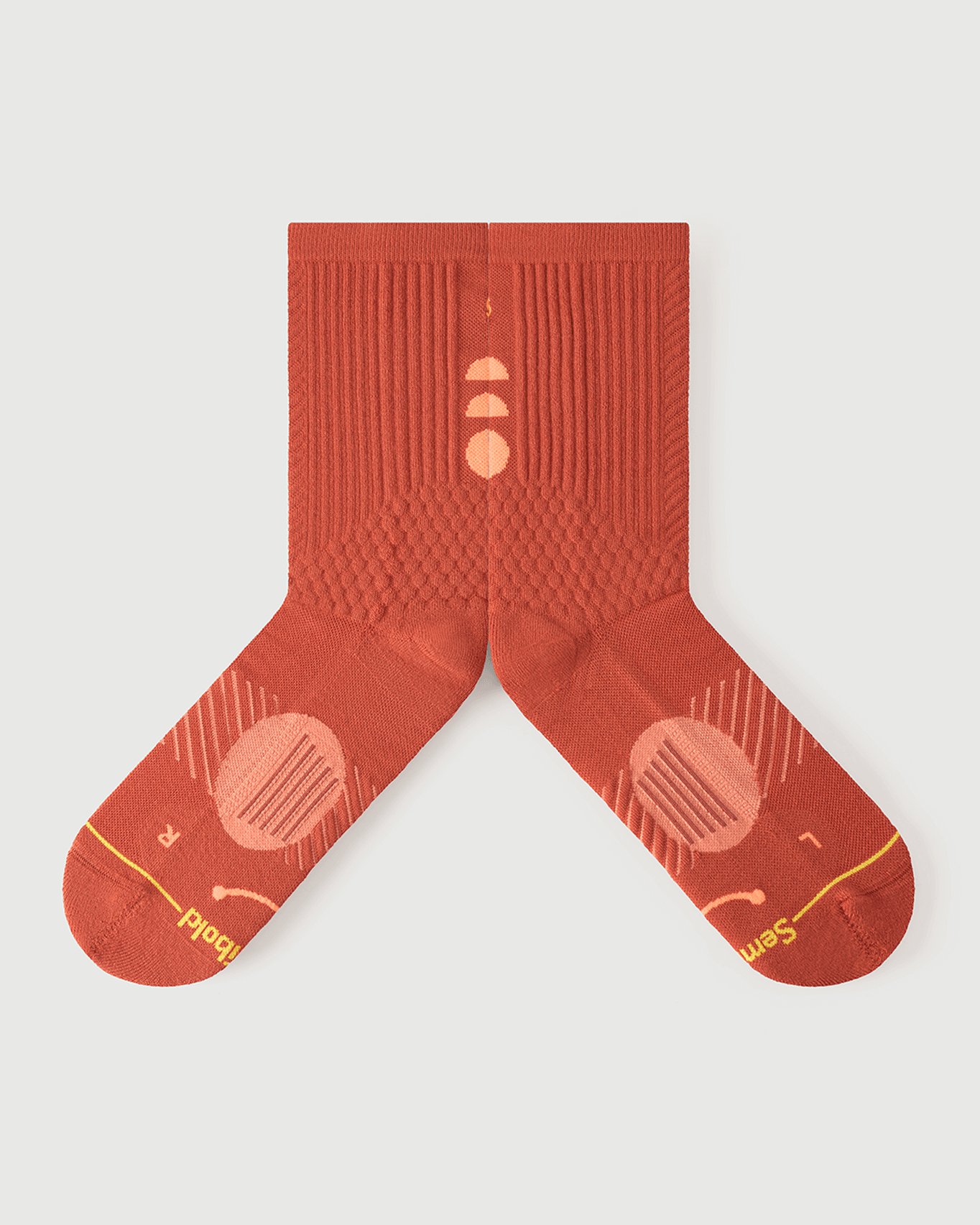
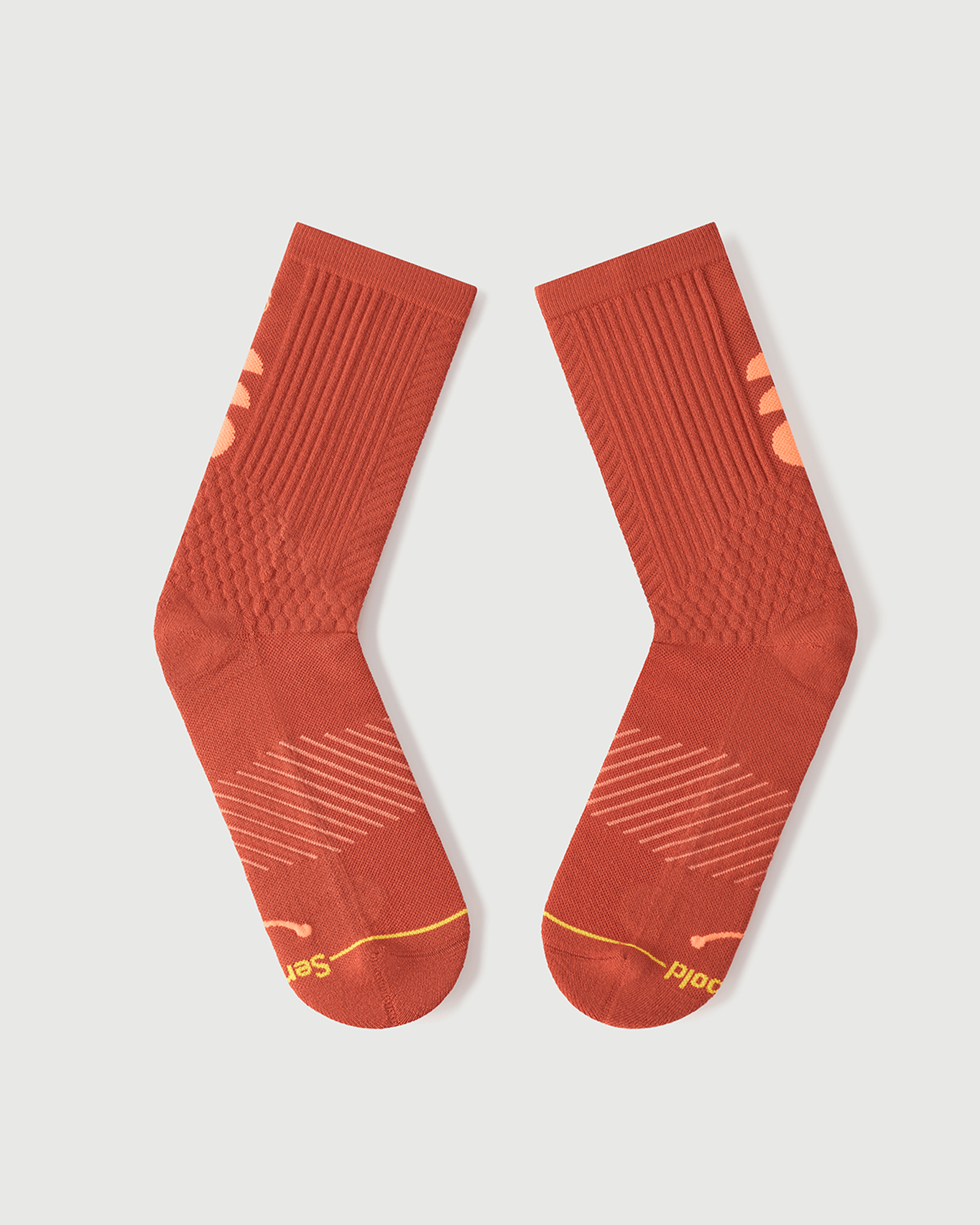
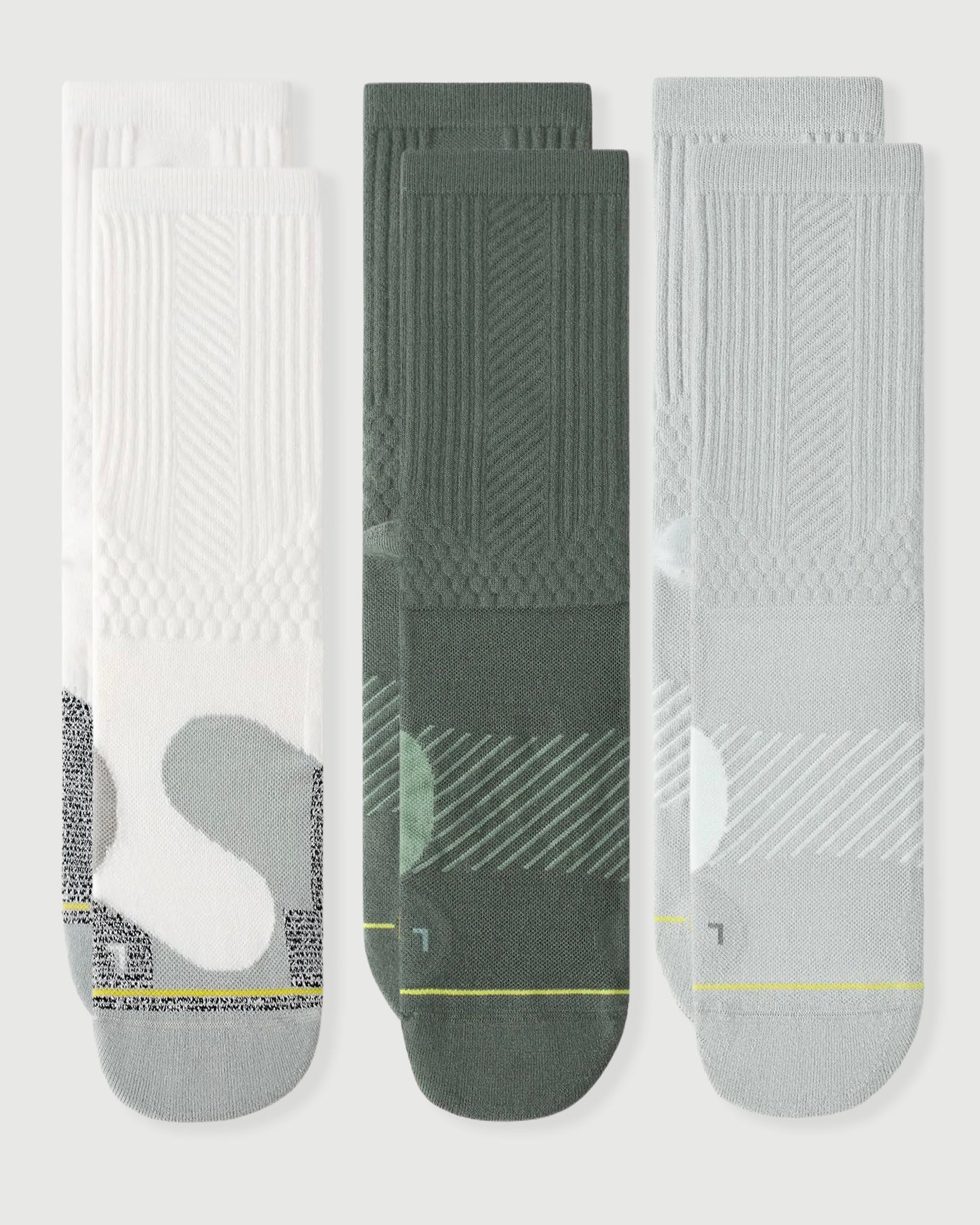
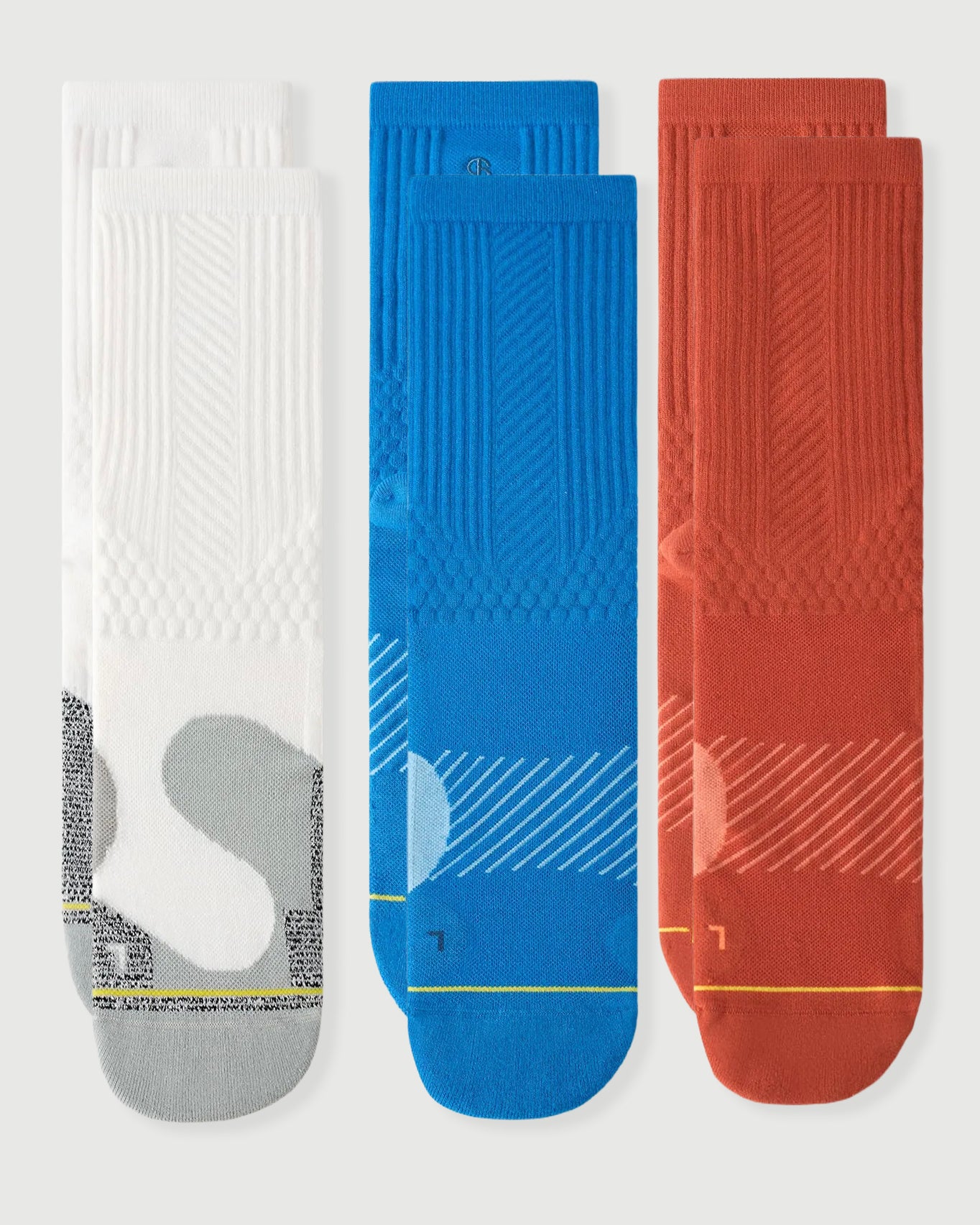
Compression Socks Q&A
Will compression instantly improve performance?
Compression supports circulation and muscle stability, but it does not replace training or conditioning.
What compression level is best for everyday wear?
For most people, mild to moderate graduated compression (typically around 15–20 mmHg) provides the best balance of support and comfort for everyday wear. This level may help reduce fatigue, improve circulation, and provide gentle support during long periods of standing, travel, or daily movement — without feeling overly restrictive.
People with medical conditions or circulation concerns should consult a healthcare professional before using higher levels of compression.
Can compression socks help during flights?
Compression socks are commonly worn during long flights to help support circulation and reduce leg fatigue during extended periods of sitting. Graduated compression may help encourage blood flow in the lower legs and reduce feelings of swelling or heaviness while traveling.
For long-haul flights or individuals with circulation concerns, it’s best to consult a healthcare professional for personalized guidance.
Can I wear graduated compression daily?
Yes — as long as the socks are properly fitted and comfortable.
Is tighter always better?
No. Excessive compression can restrict circulation rather than support it.
Always prioritize proper fit and balanced pressure.